Product imagery for homeware and decor brands
You have one supplier photo. You need a full product page.
We produce the rest. The angles, the detail crop, the scale shot, the room. Every image matches the actual product, or it is not billed.
$150 for a five image set. No minimum. Nothing ships, your product stays in your warehouse.
The work
One reference image in. A full set out.
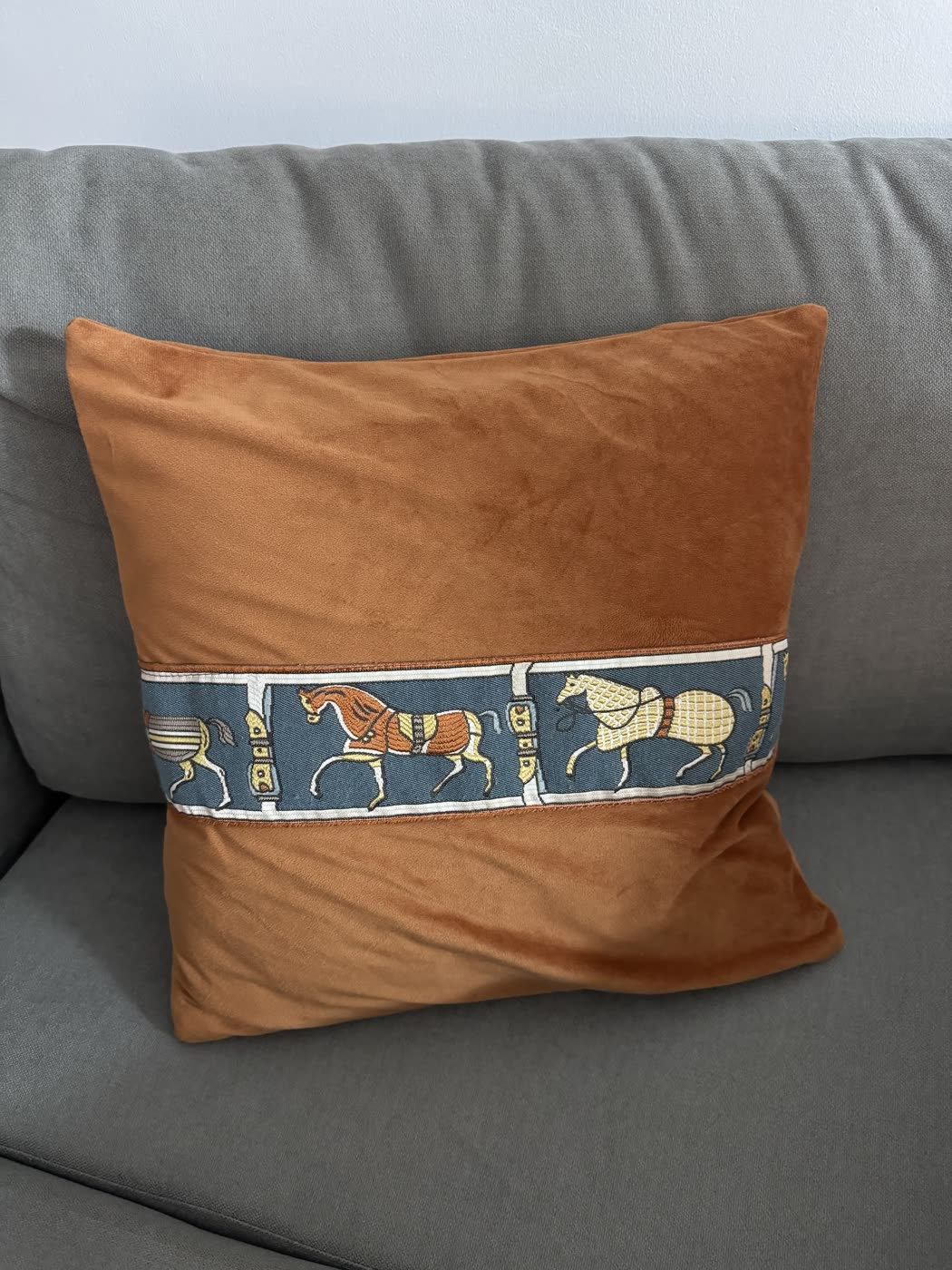
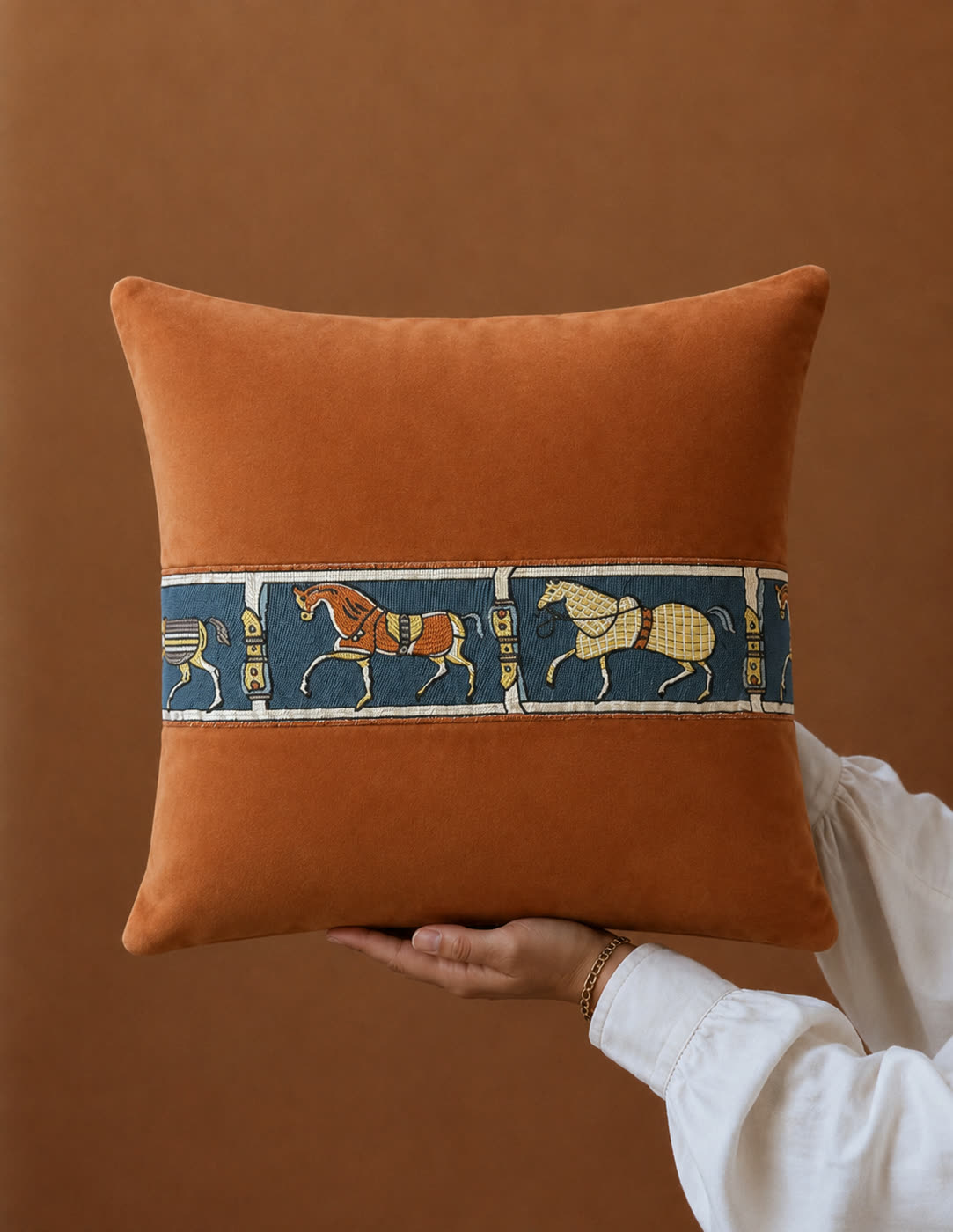
Velvet cushion with a woven horse band, homeware textiles. An ordinary phone photograph taken in a real room. Same velvet, same terracotta shade. The same woven band, the same horses in the same positions, the same key border. Nothing added, nothing quietly tidied away. The finished frame is composed to show the size, because that is the question the customer actually has.
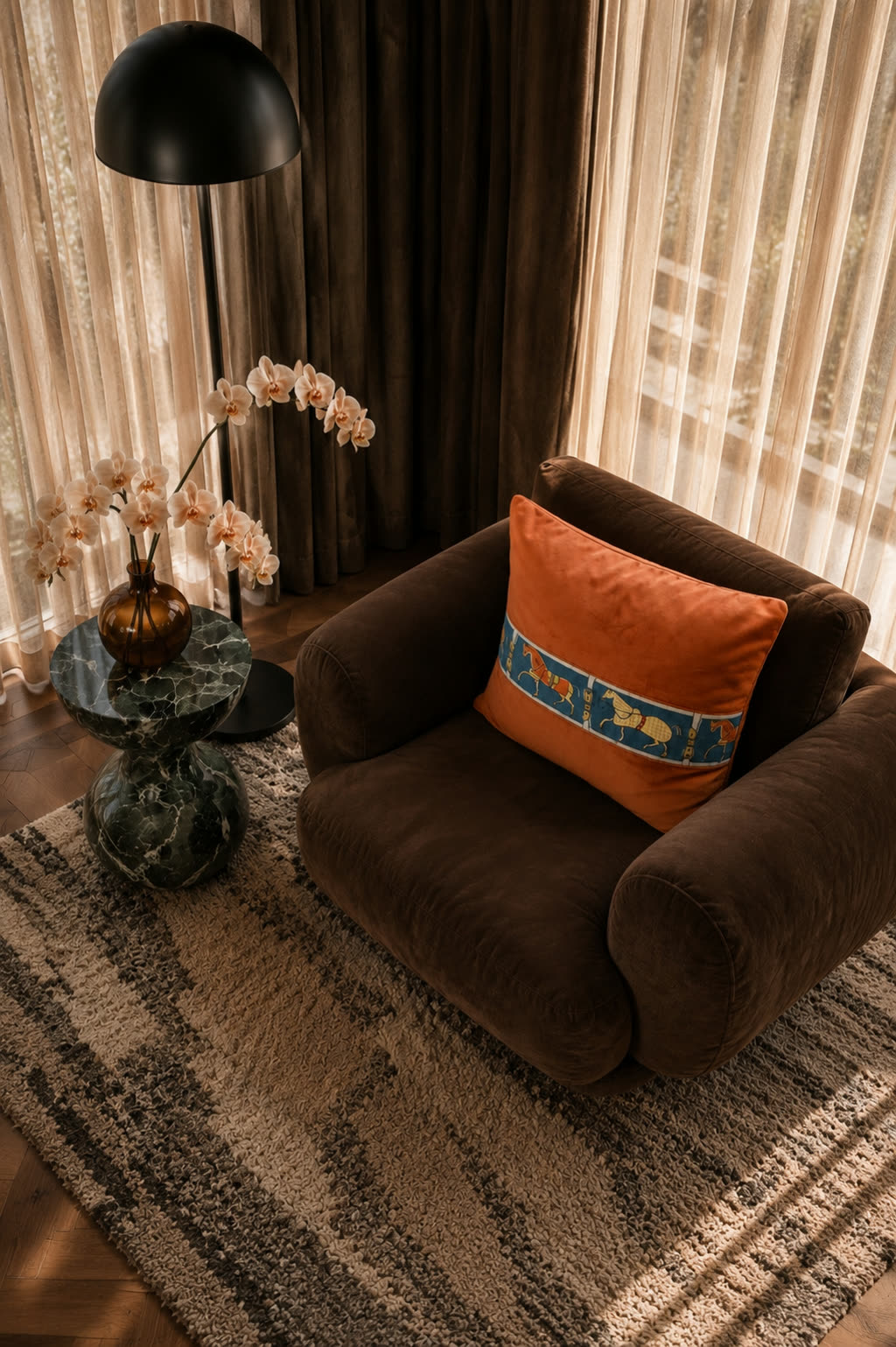
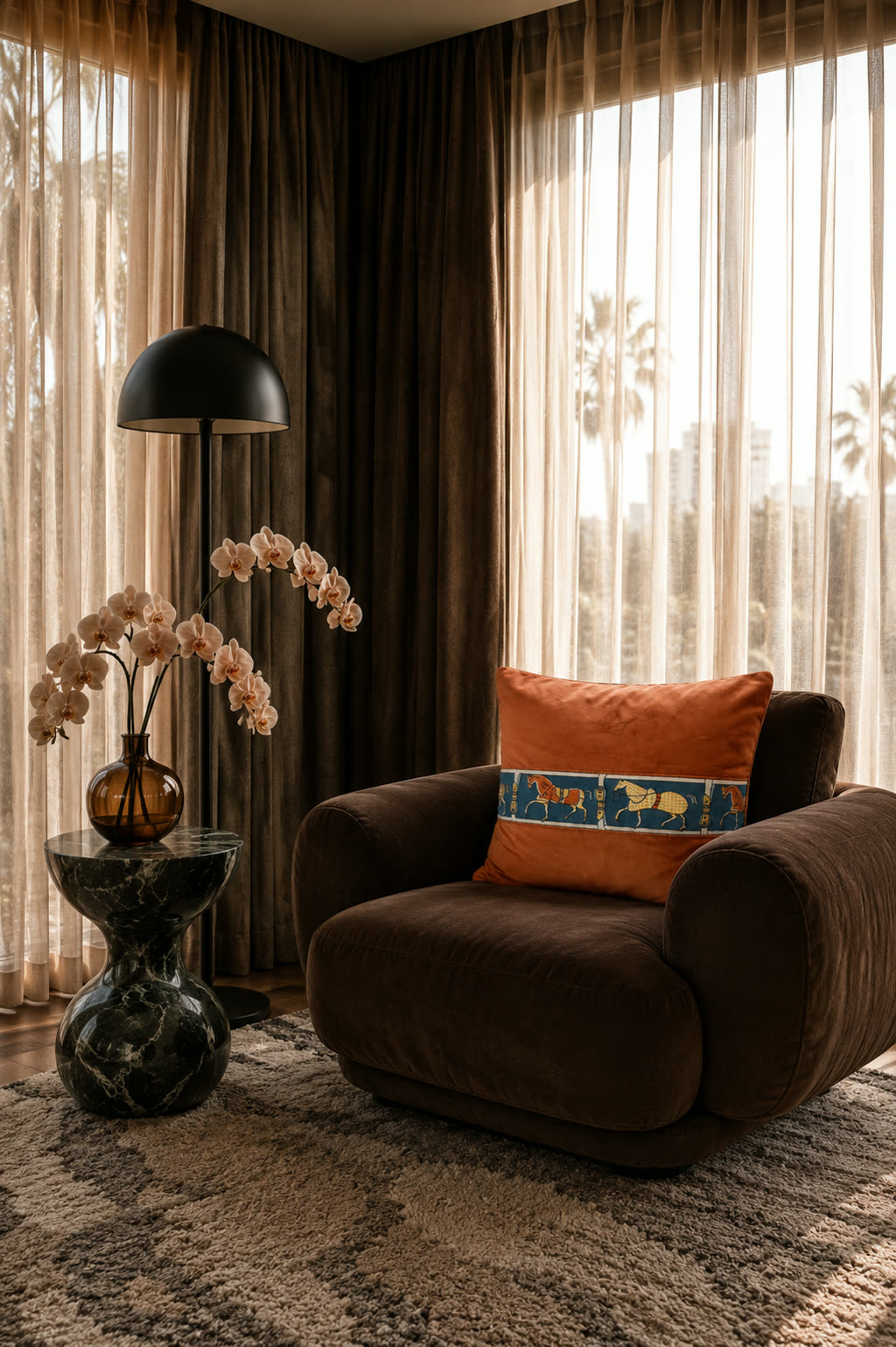
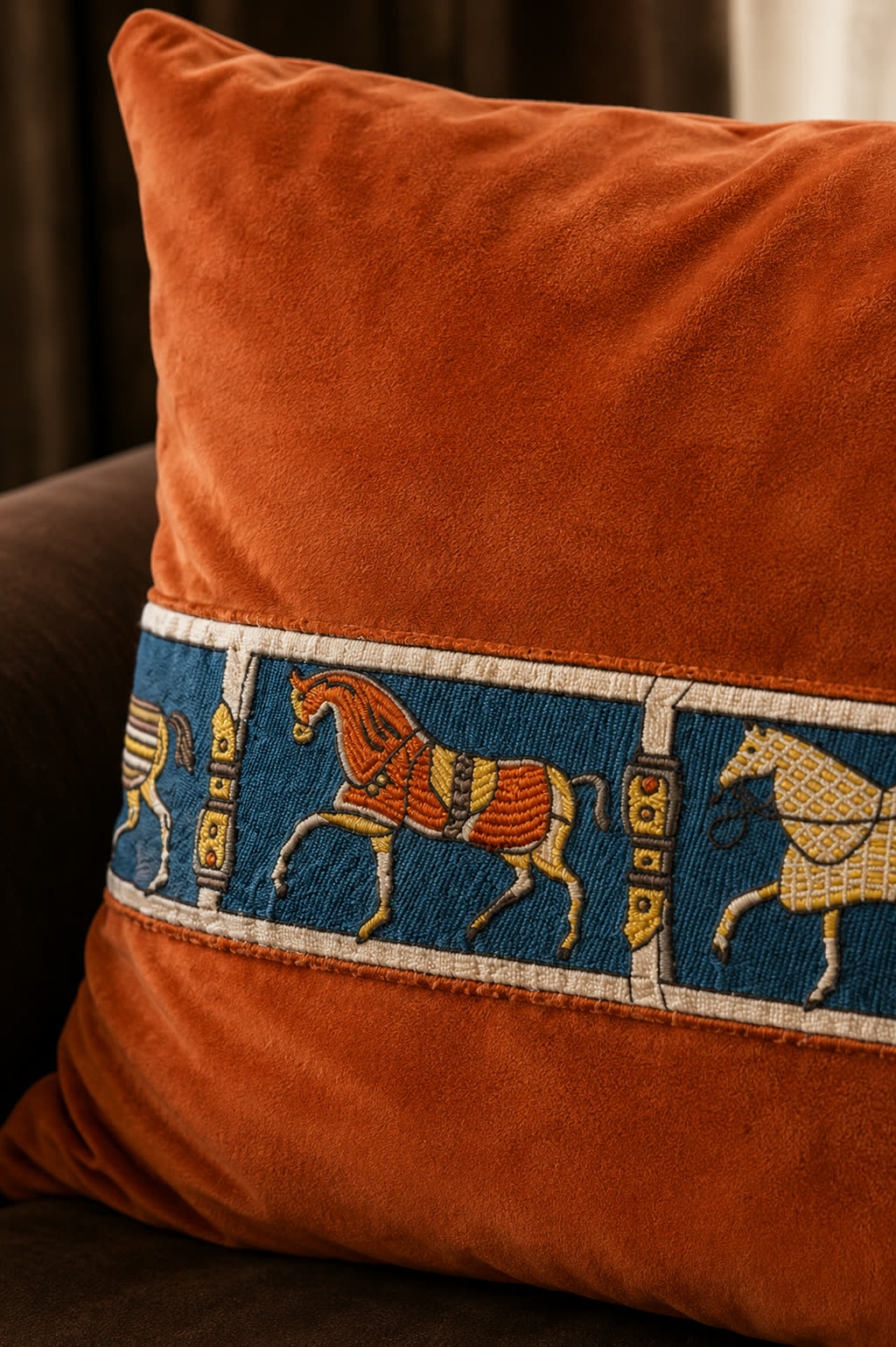
Three frames from the same product. Room, colour and light are directed to your brand rather than to a generic catalogue look.
A harder surface
Glazed porcelain, held to the reference.
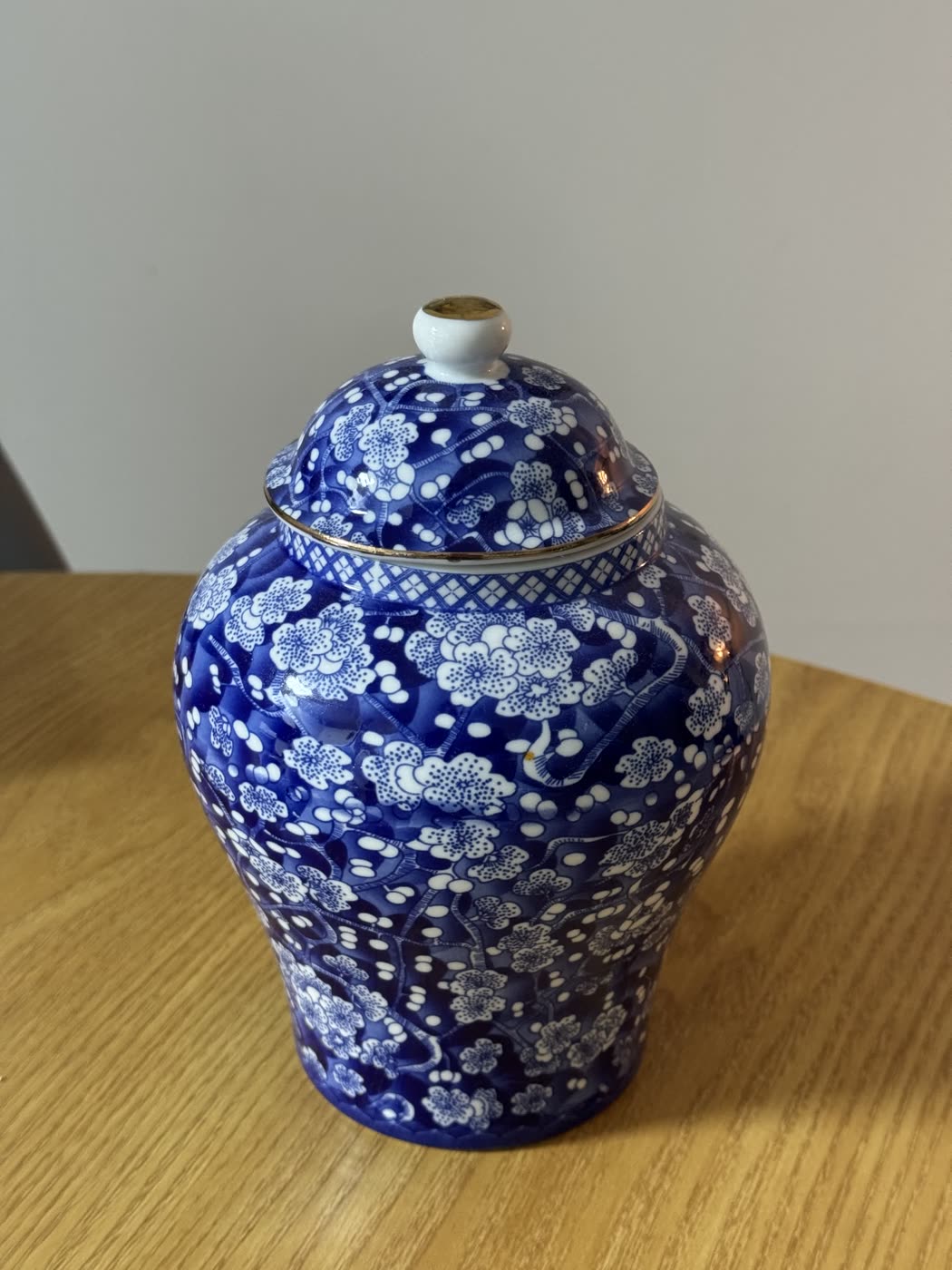

Blue and white ginger jar, tabletop and decor. A glazed surface reflects the room it is shot in, which is exactly what makes the glaze easy to quietly warm up or flatten in production. This is the same cobalt, not a warmer or a flatter substitute. Same prunus blossom pattern, same gilt rim on the lid, same proportion between body and neck. Reflective, glazed and patterned surfaces are what we test ourselves against.
What this fixes
A collection page is read as a grid.
Nobody looks at one image. They scan forty at once, and the one where the glaze runs warm is the one they notice.
One lamp in six finishes is six images that have to agree with each other. A vase shot in March does not match the same vase shot in September, because the light was different and so was the person retouching it.
Then there is the supplier image. It arrives at eight hundred pixels with specification text burned into the corner, and it has to carry a product page sitting on the same screen as brands with a studio on the payroll.
And when a piece arrives looking different from the picture, it comes back. On homeware, handling that return can cost more than the margin on the item.
Reference and result
A photograph you took. The set we produced from it.
Every image on the left is an ordinary phone photograph of the actual object, taken in a real room in bad light. Nothing was staged to look worse than it was. That is the file a client sends us, and it is all we need.
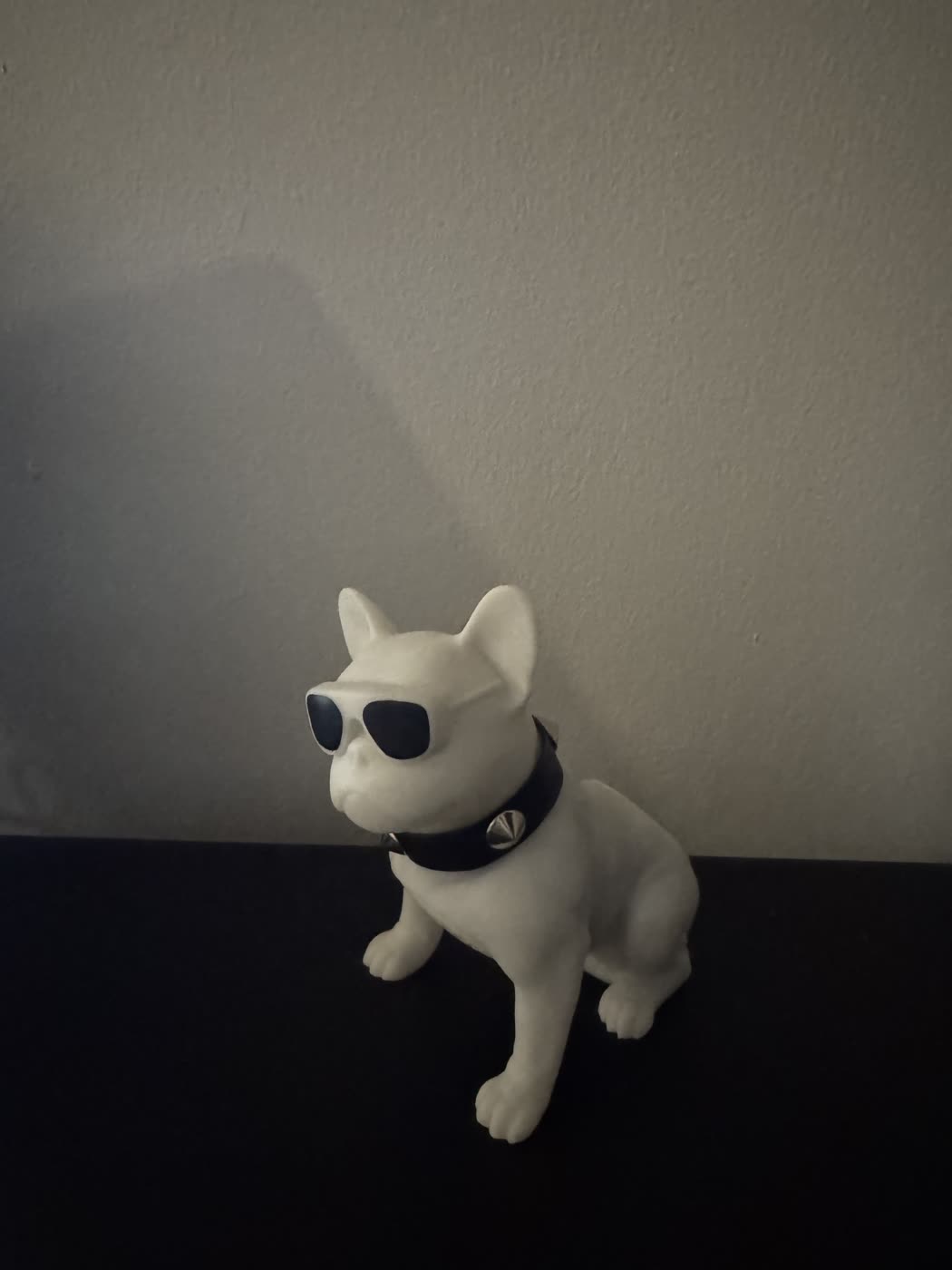
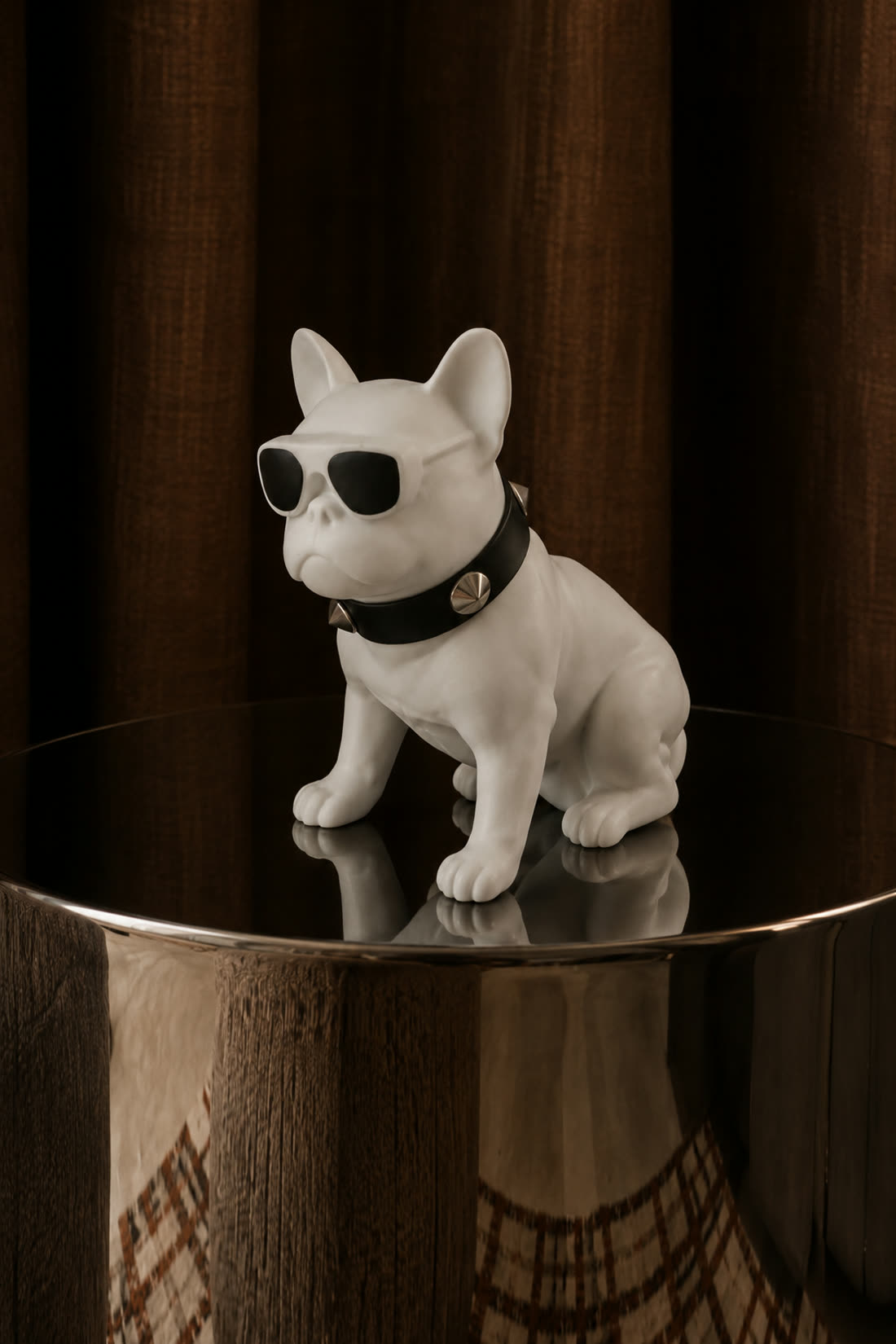
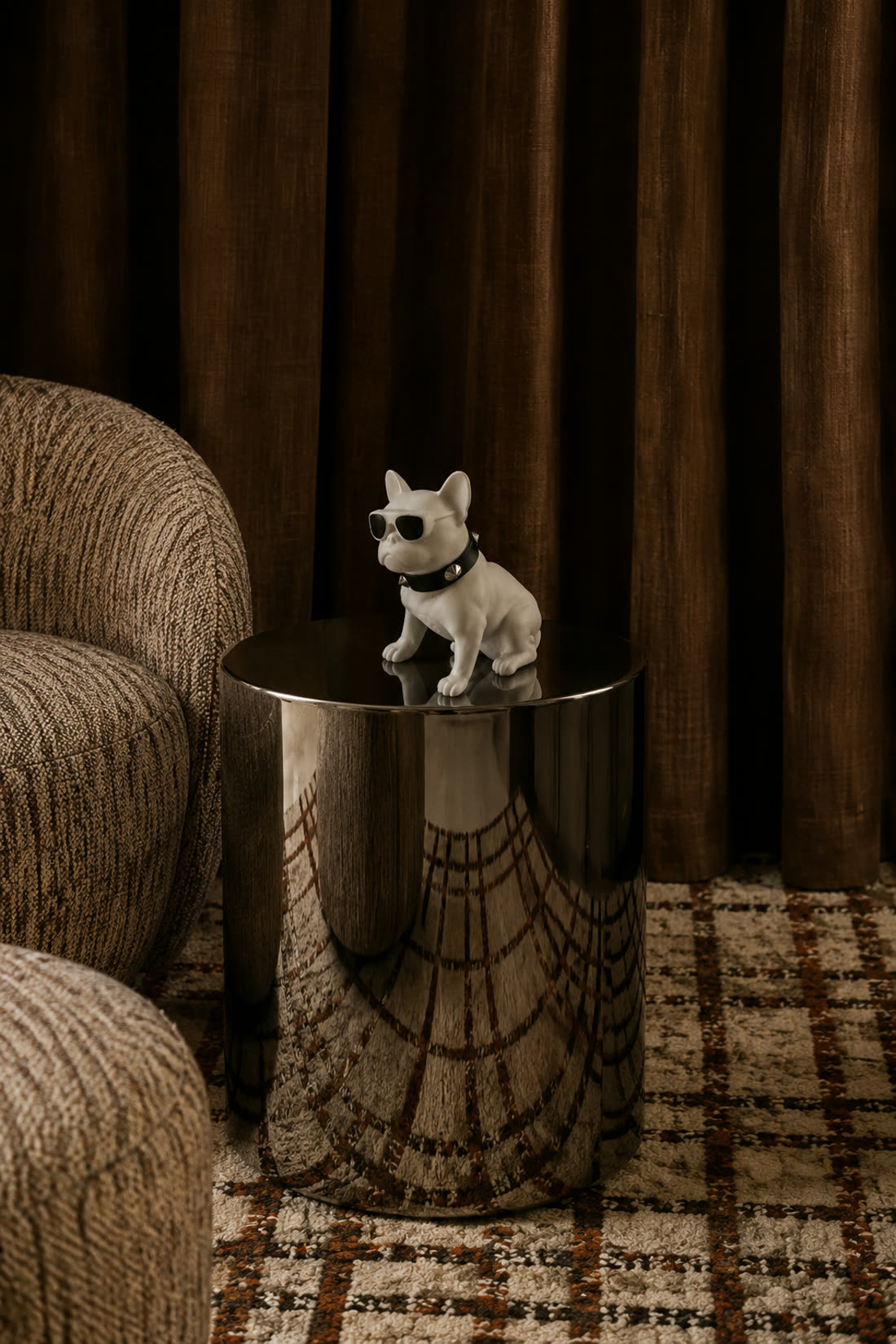
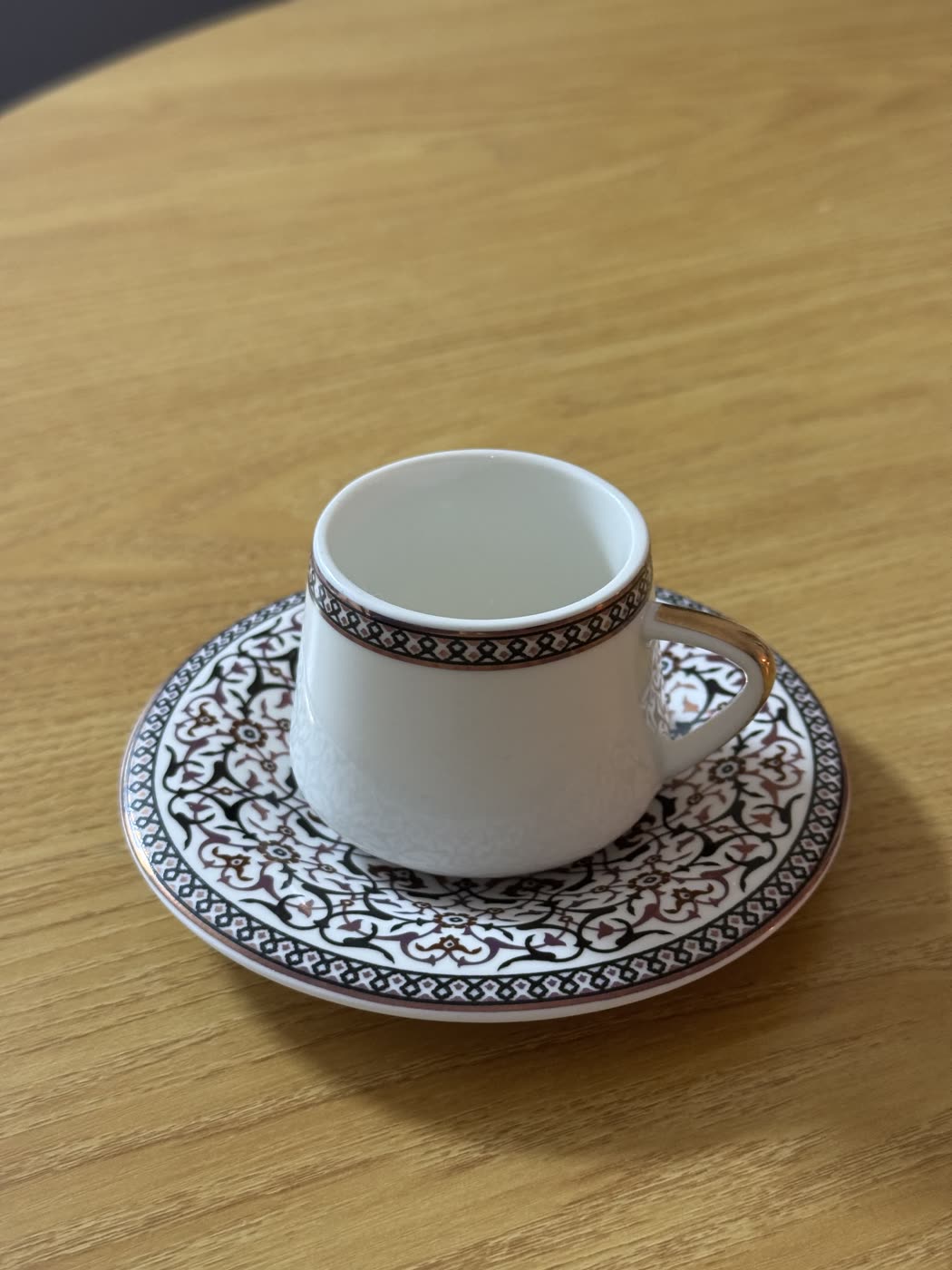
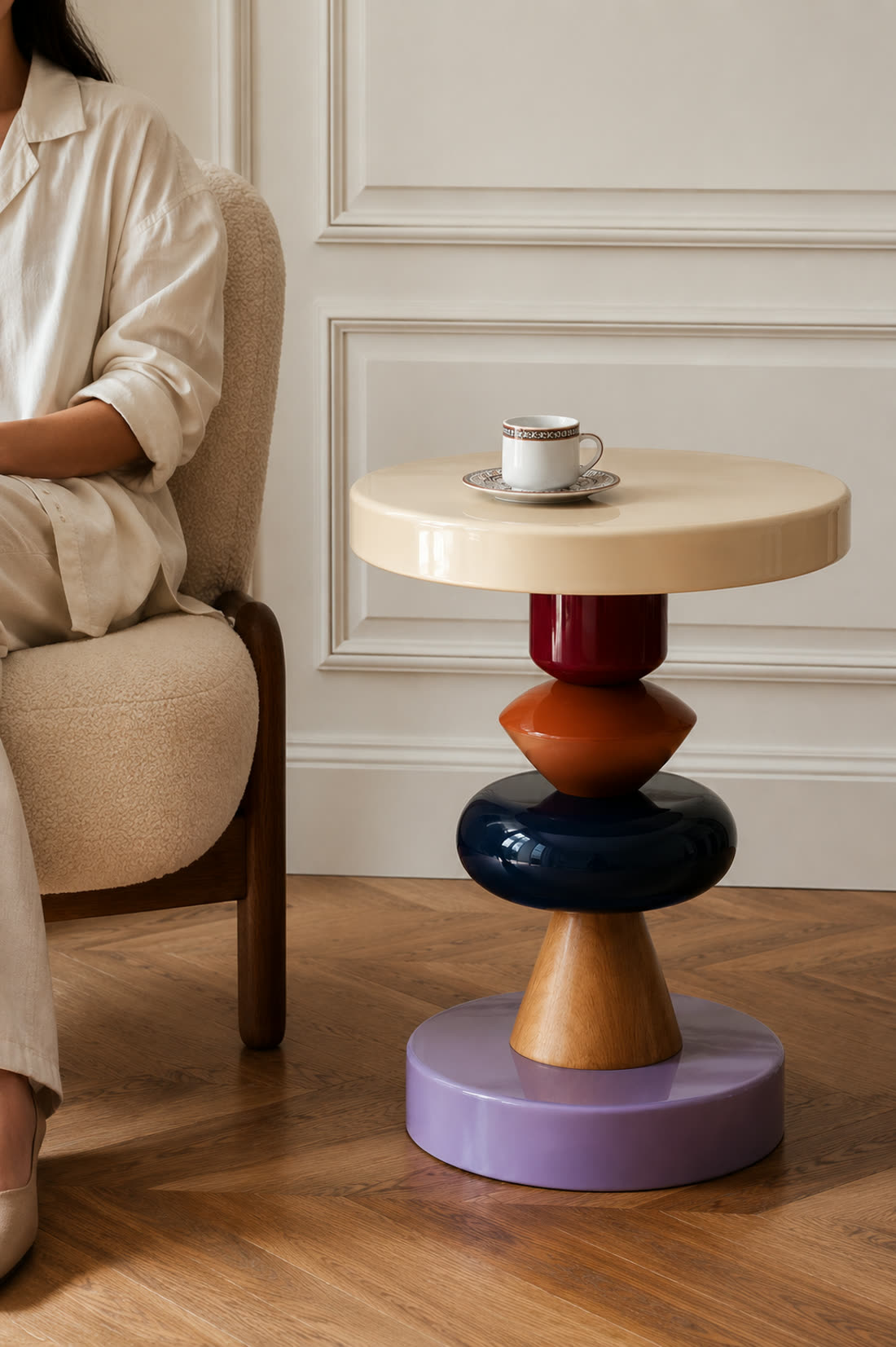
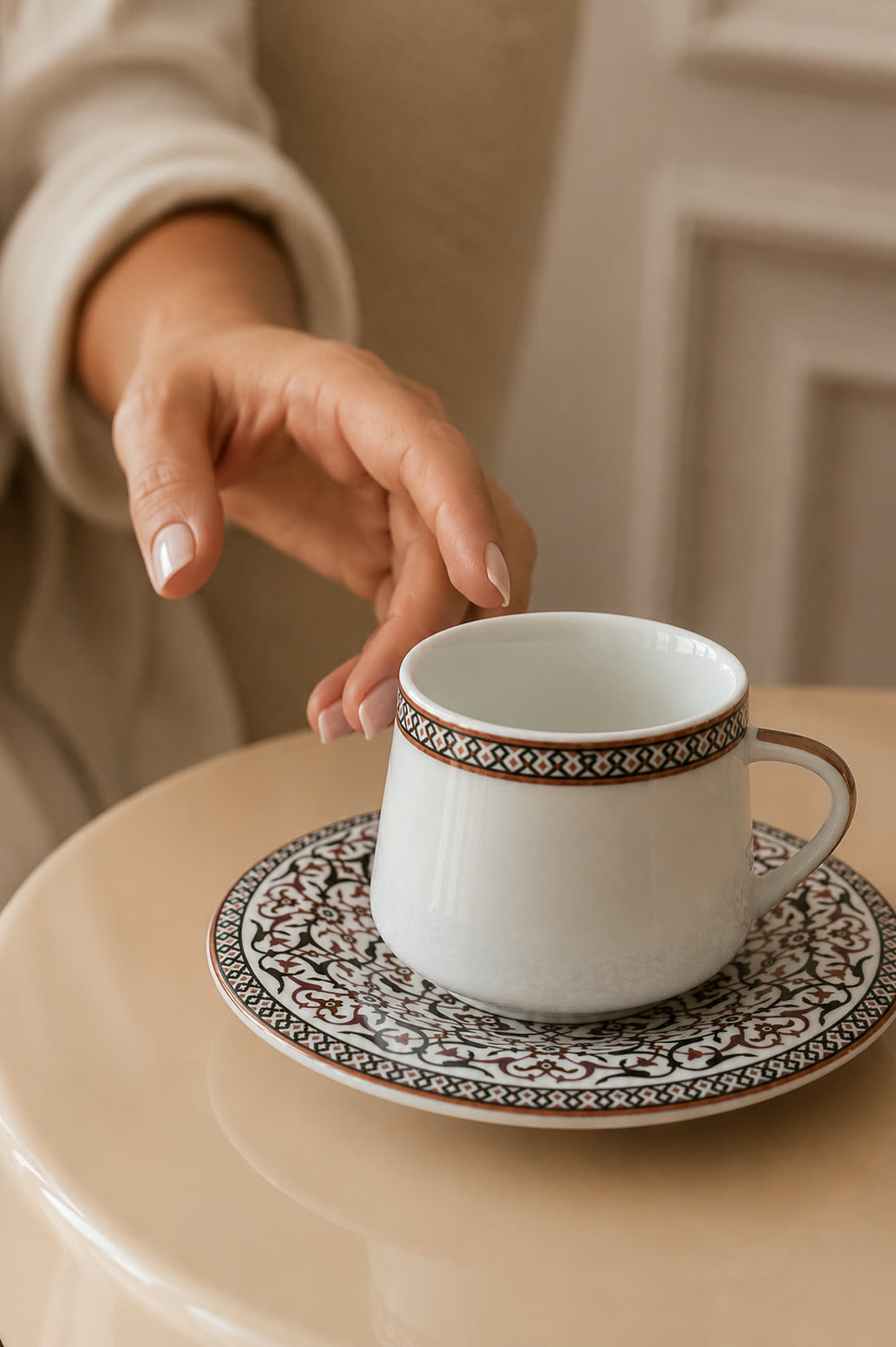
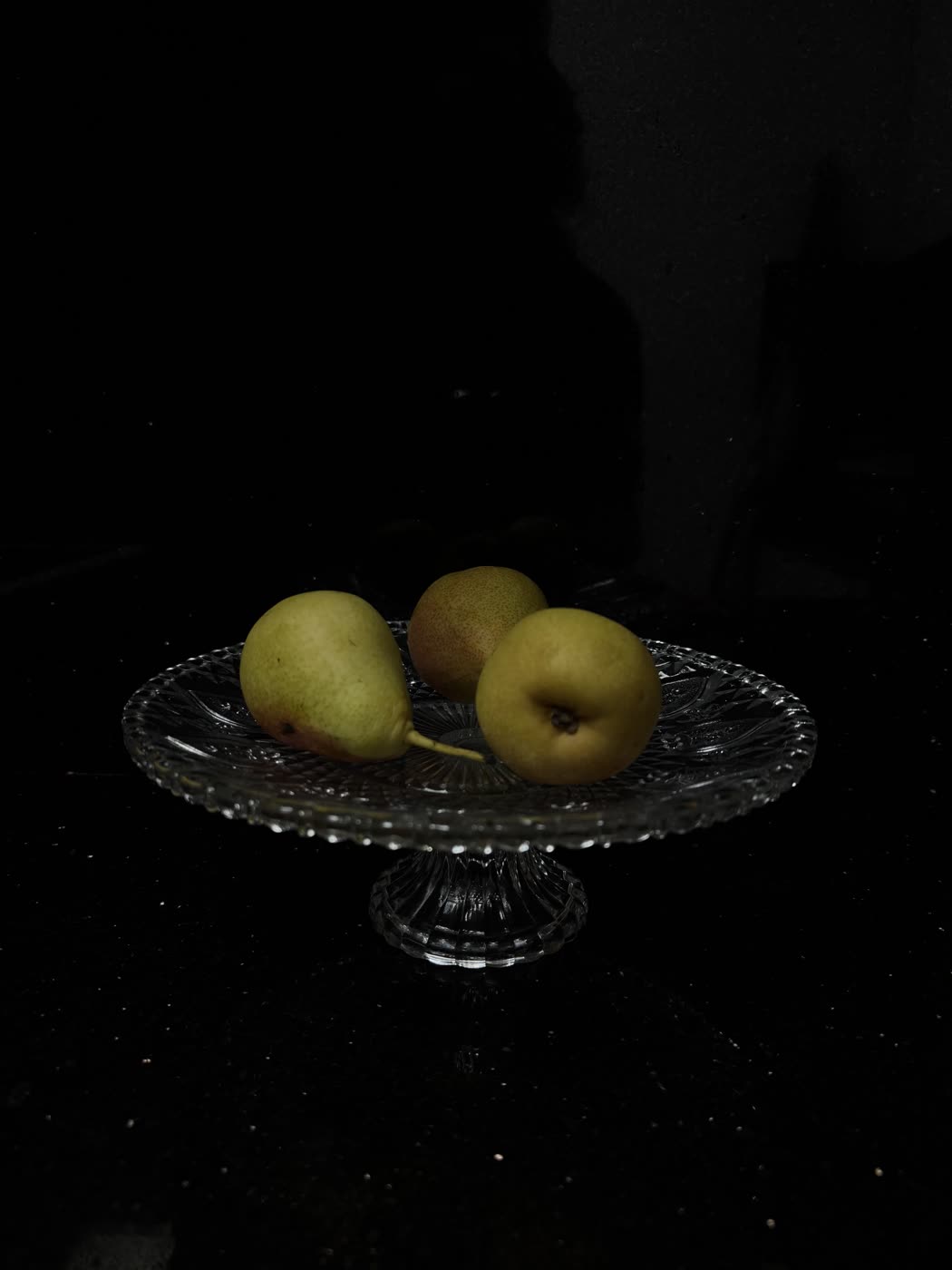
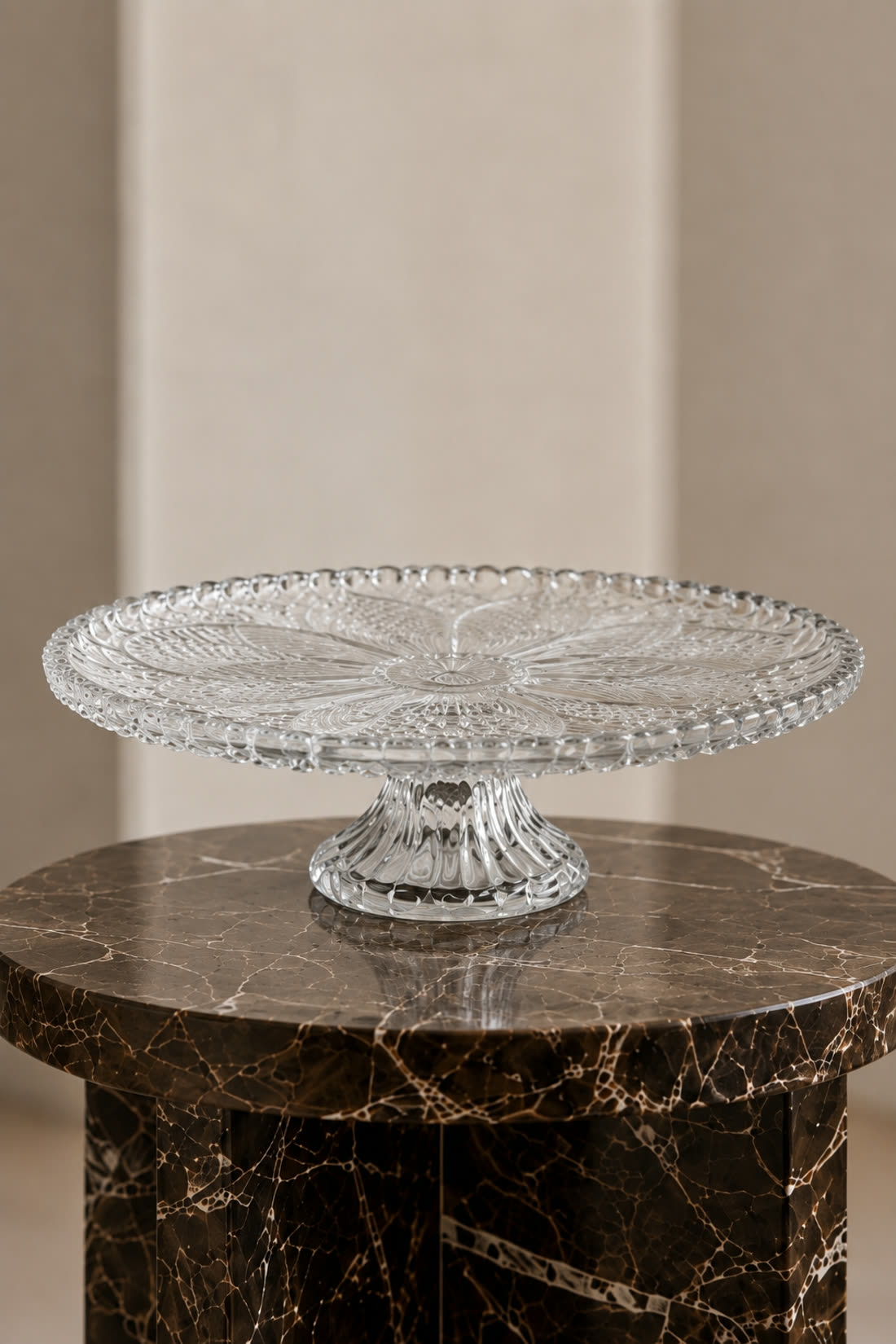
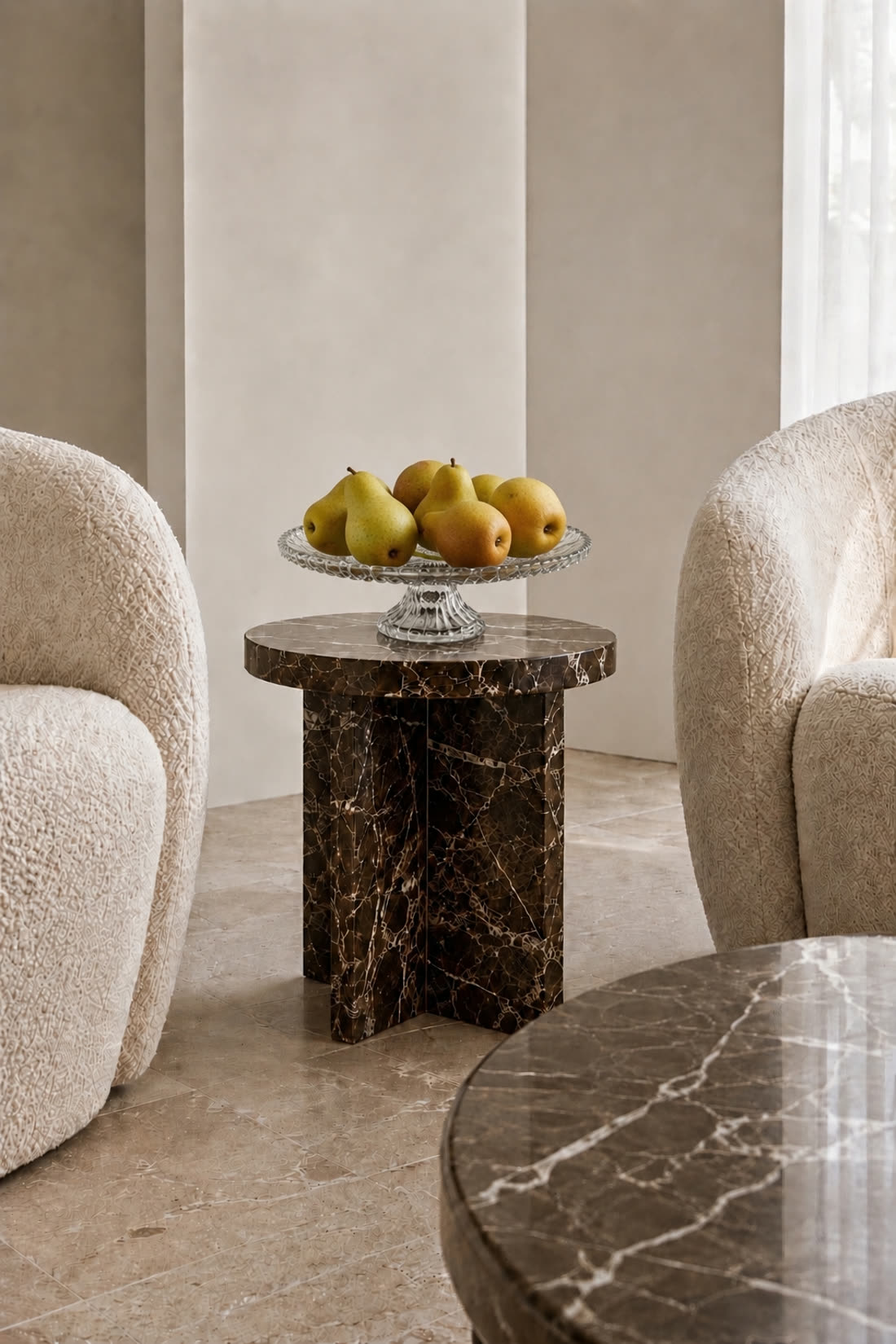
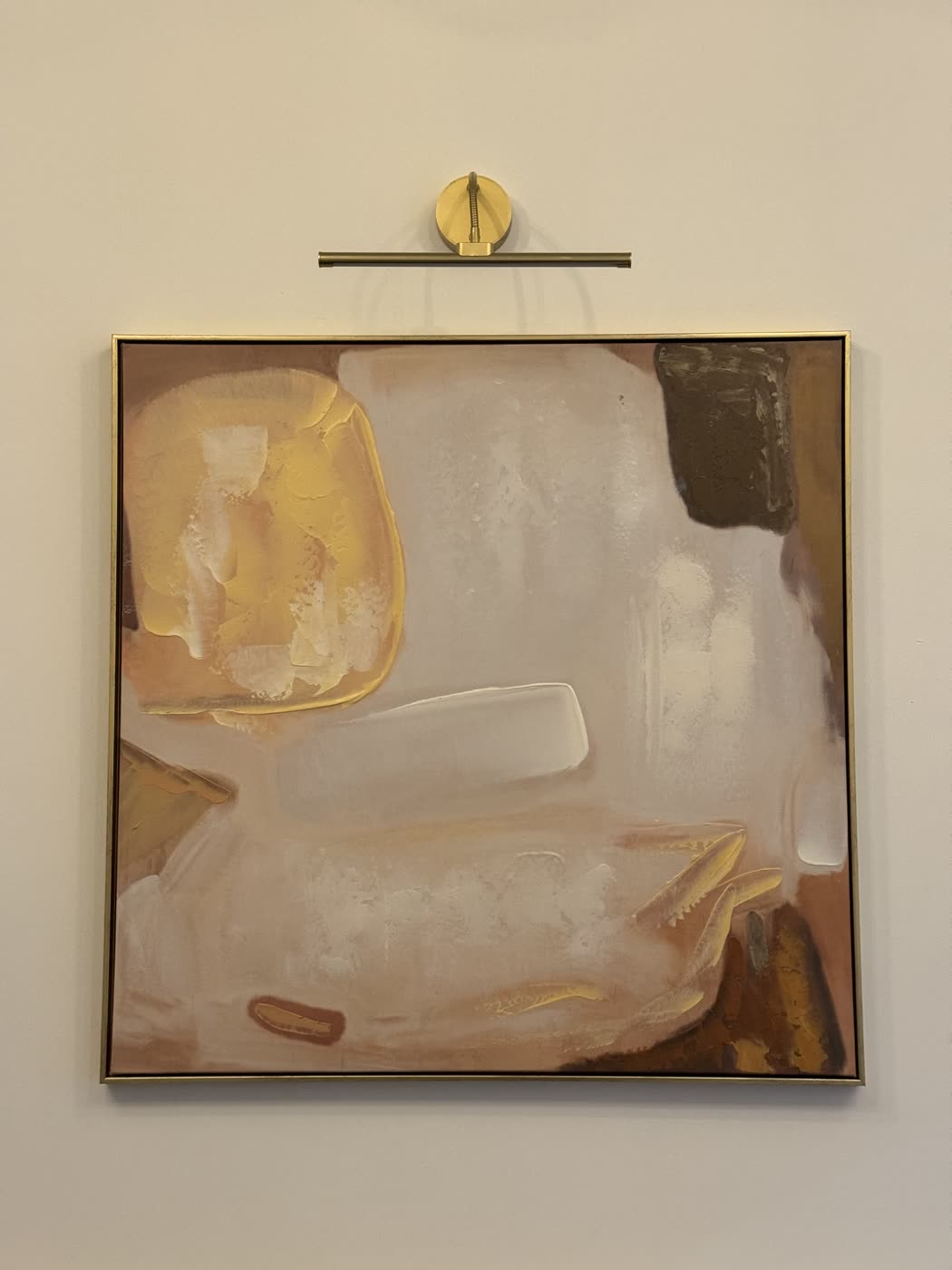
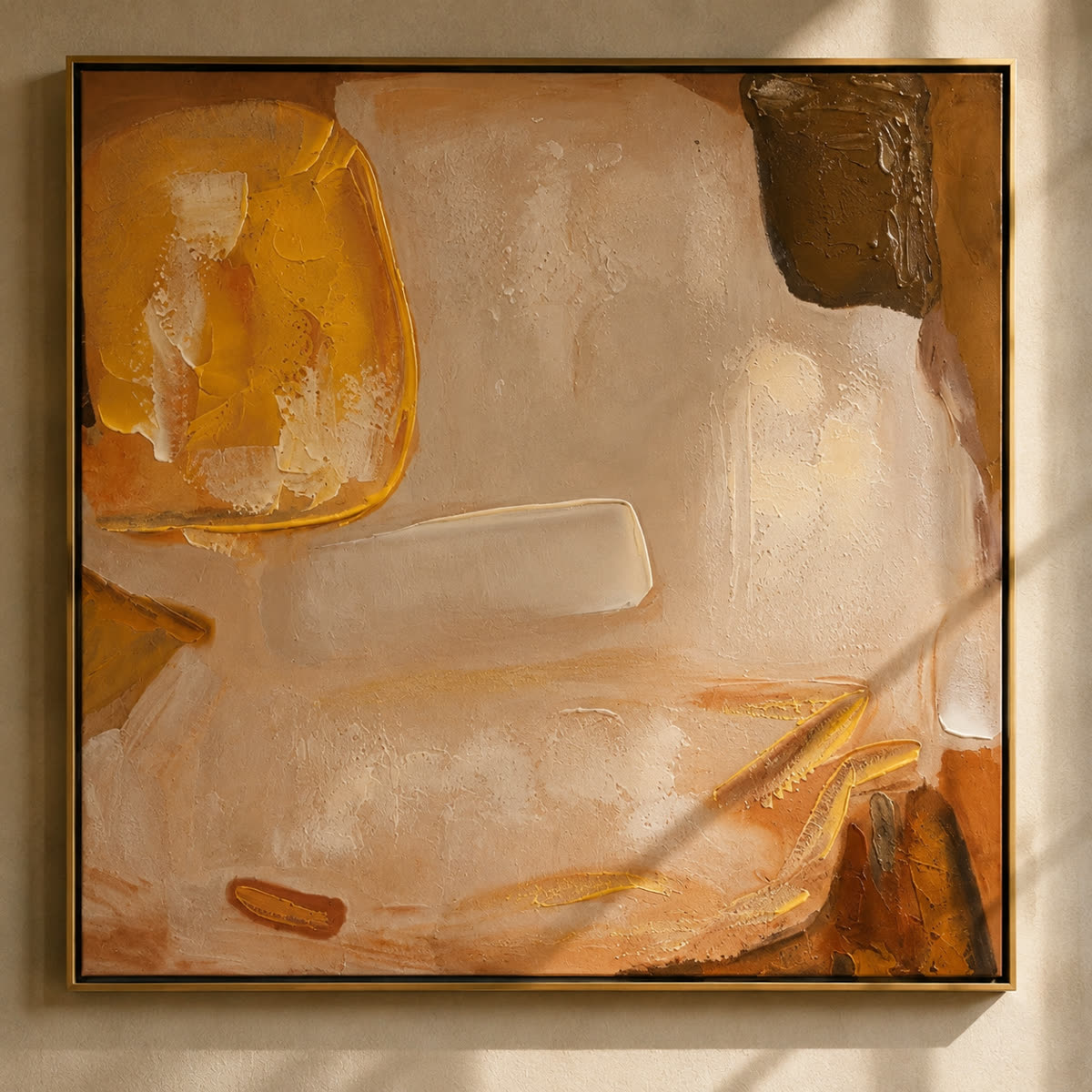
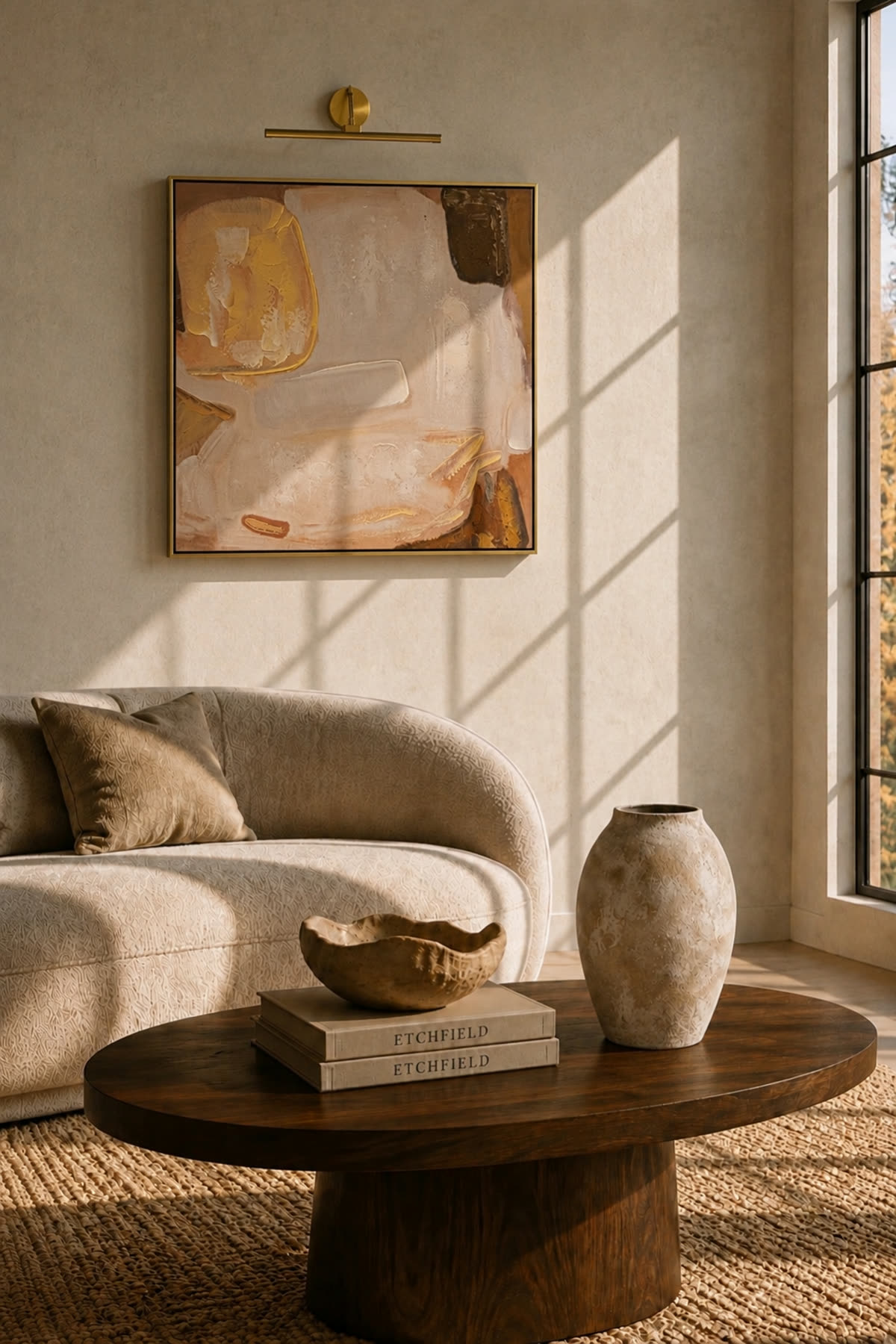
Four products, four ordinary photographs. The bulldog keeps its sunglasses. The jar keeps its pattern. The glass keeps its colour. Nothing here was improved into something the object is not, which is the only promise we make.
Produced work
Homeware, decor and tabletop.
Glass, brass, marble, hammered metal. The surfaces that are hardest to hold to a reference, which is why they are the ones we show.
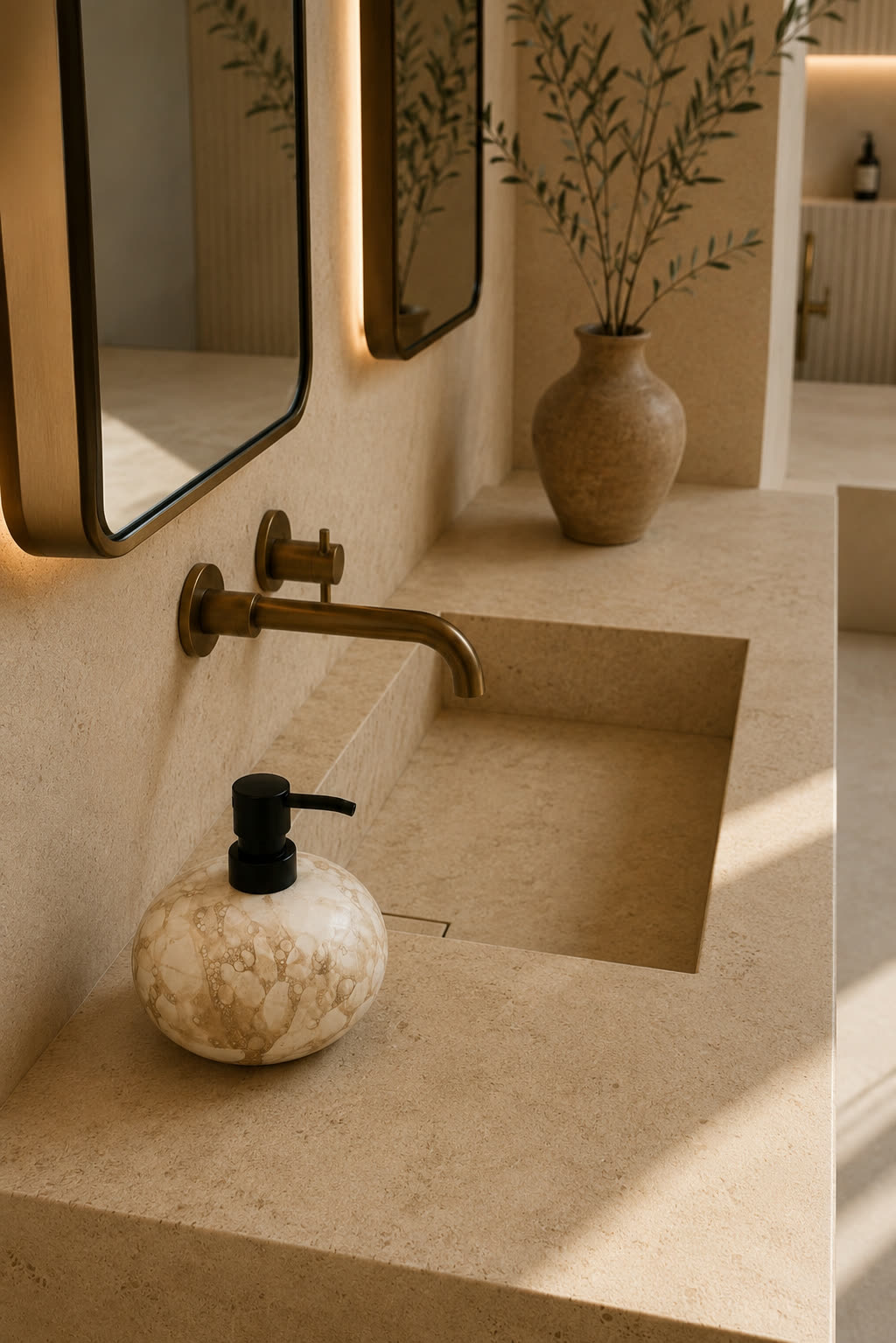
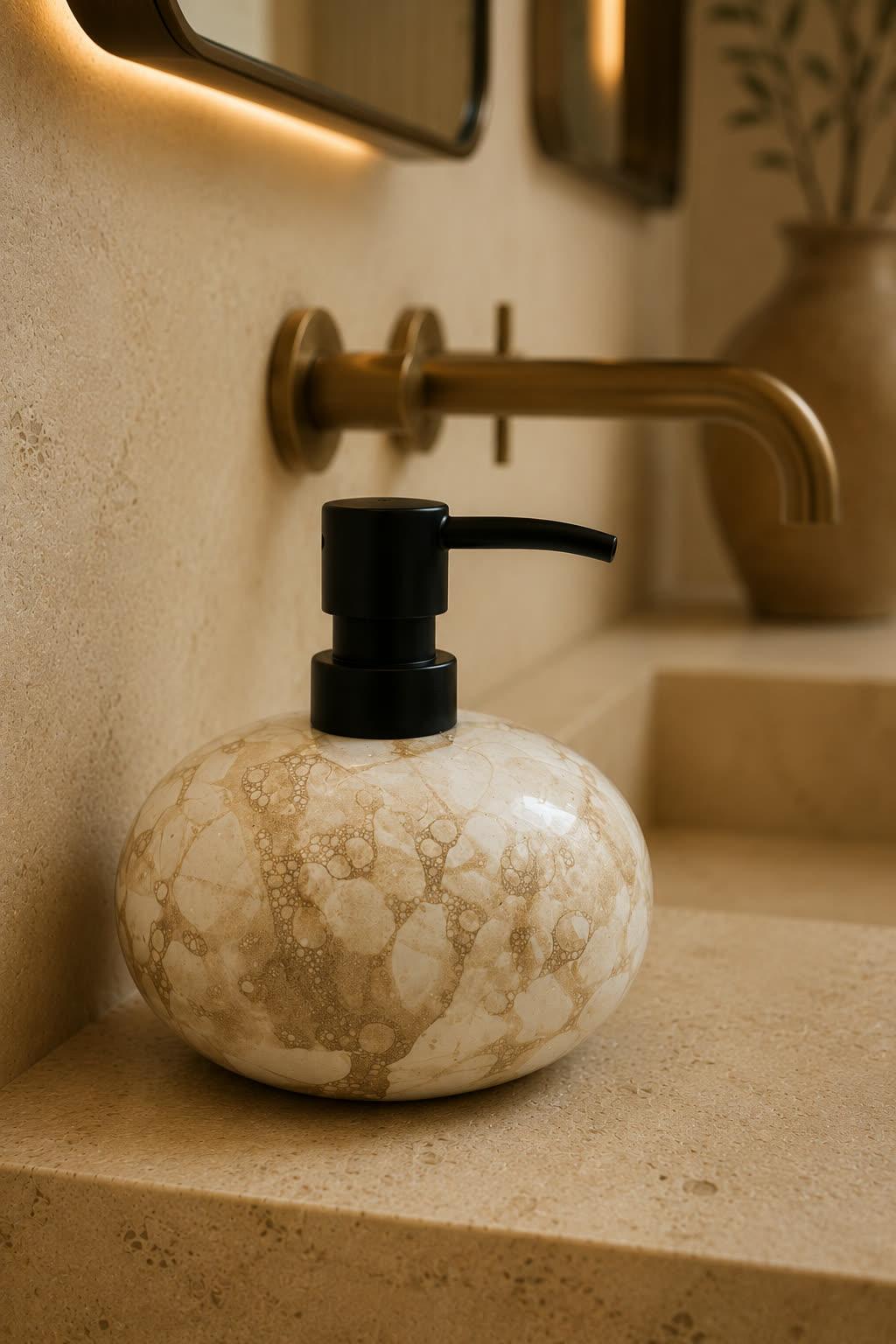
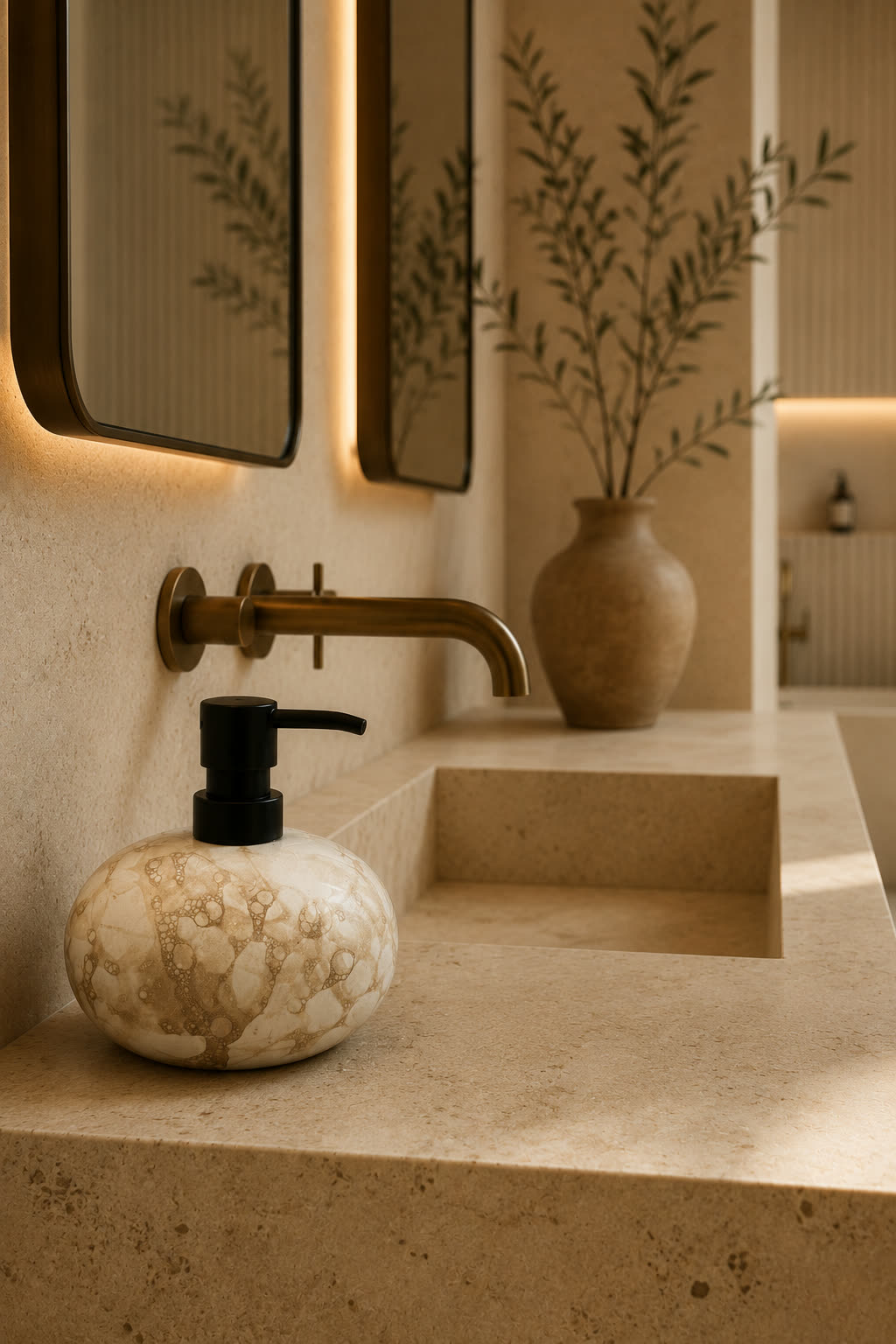
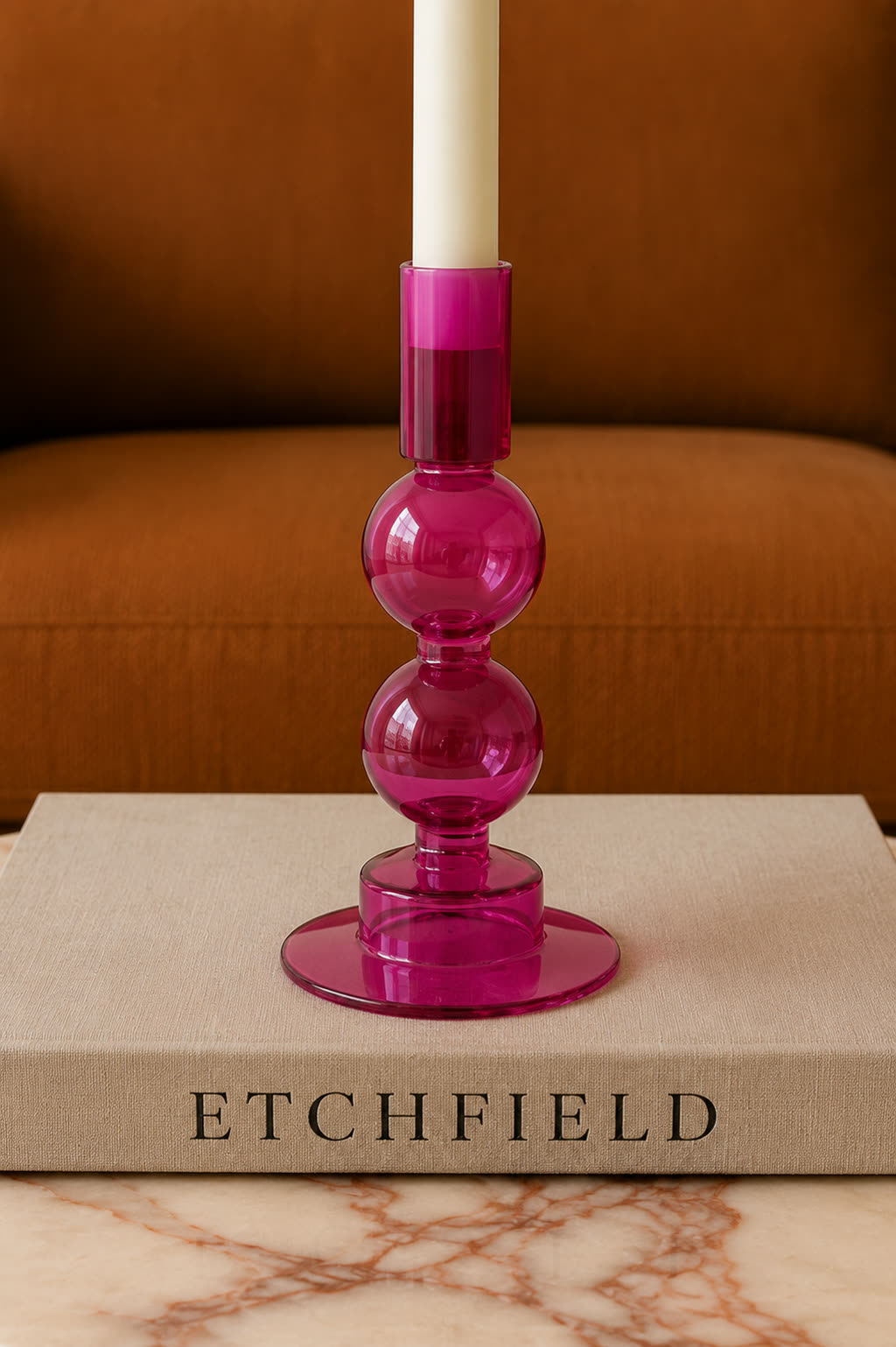
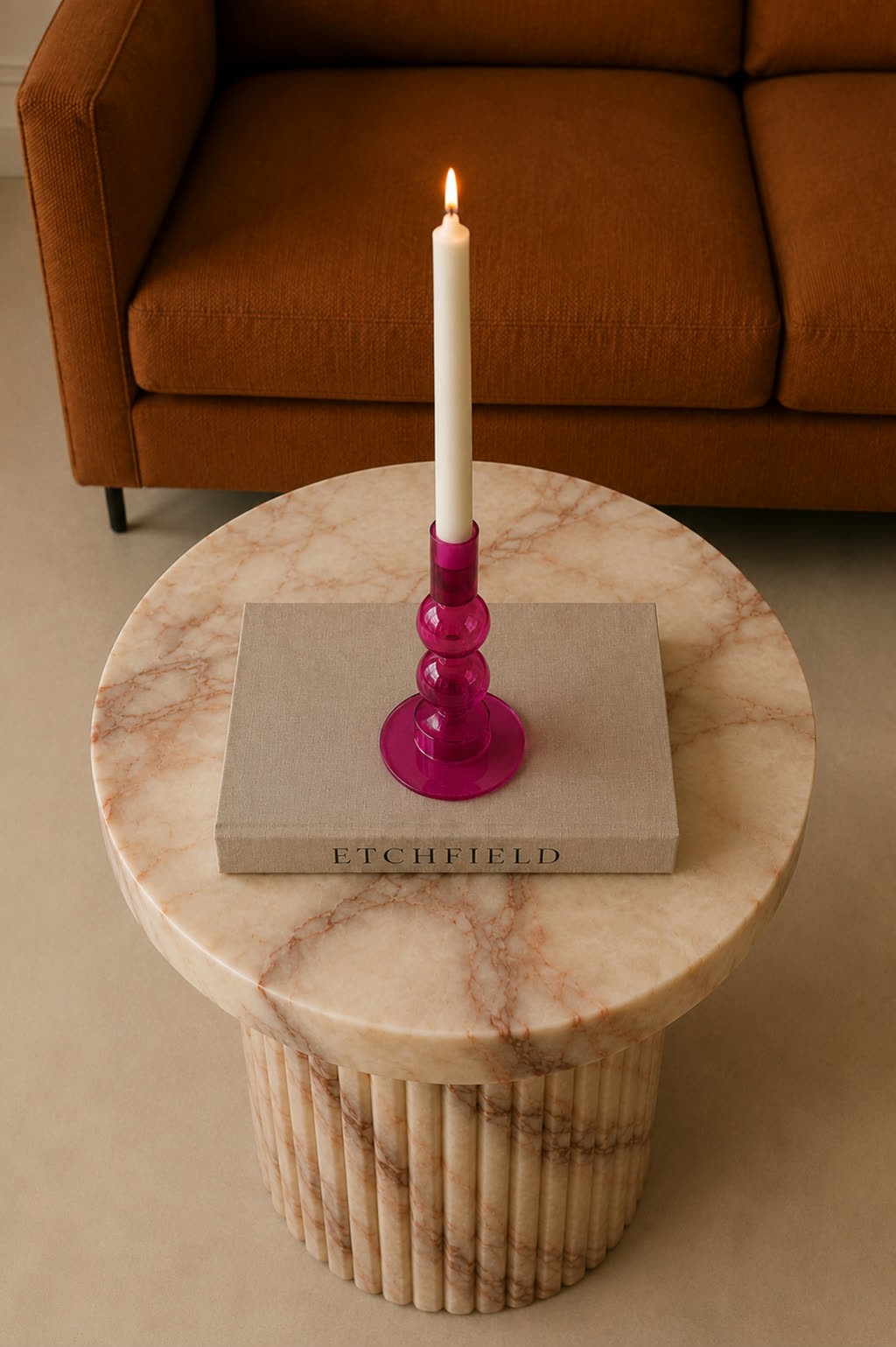
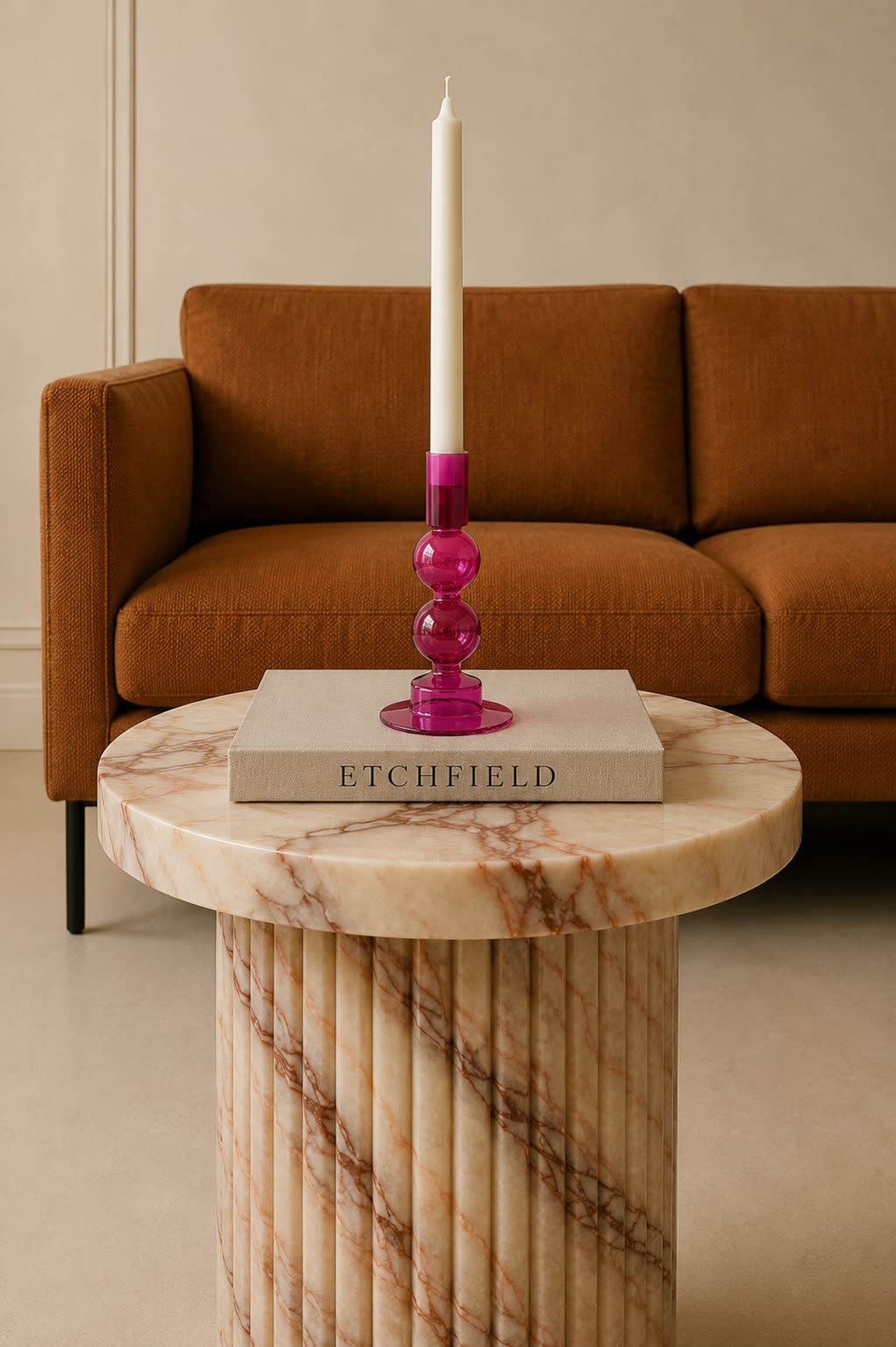
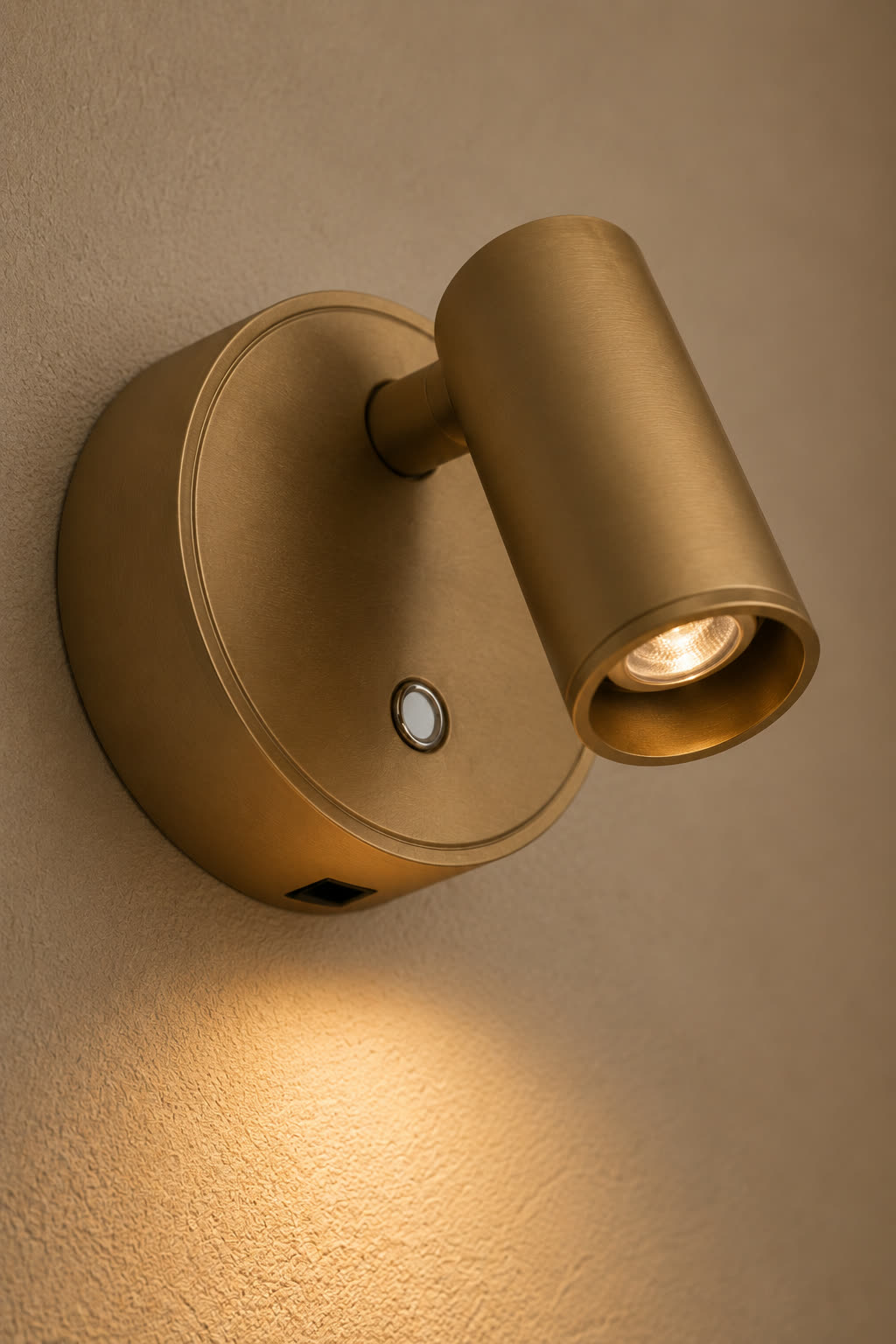
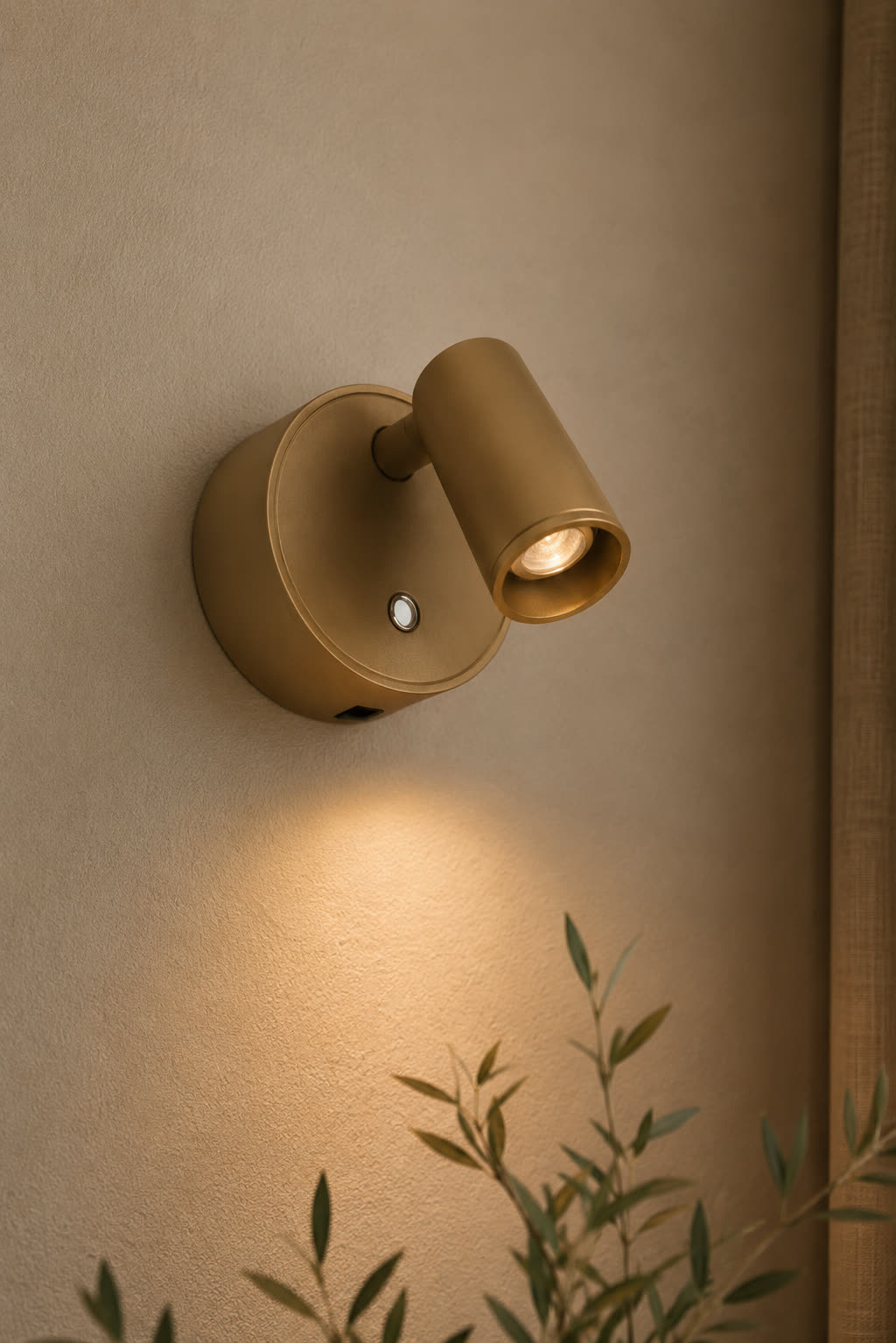
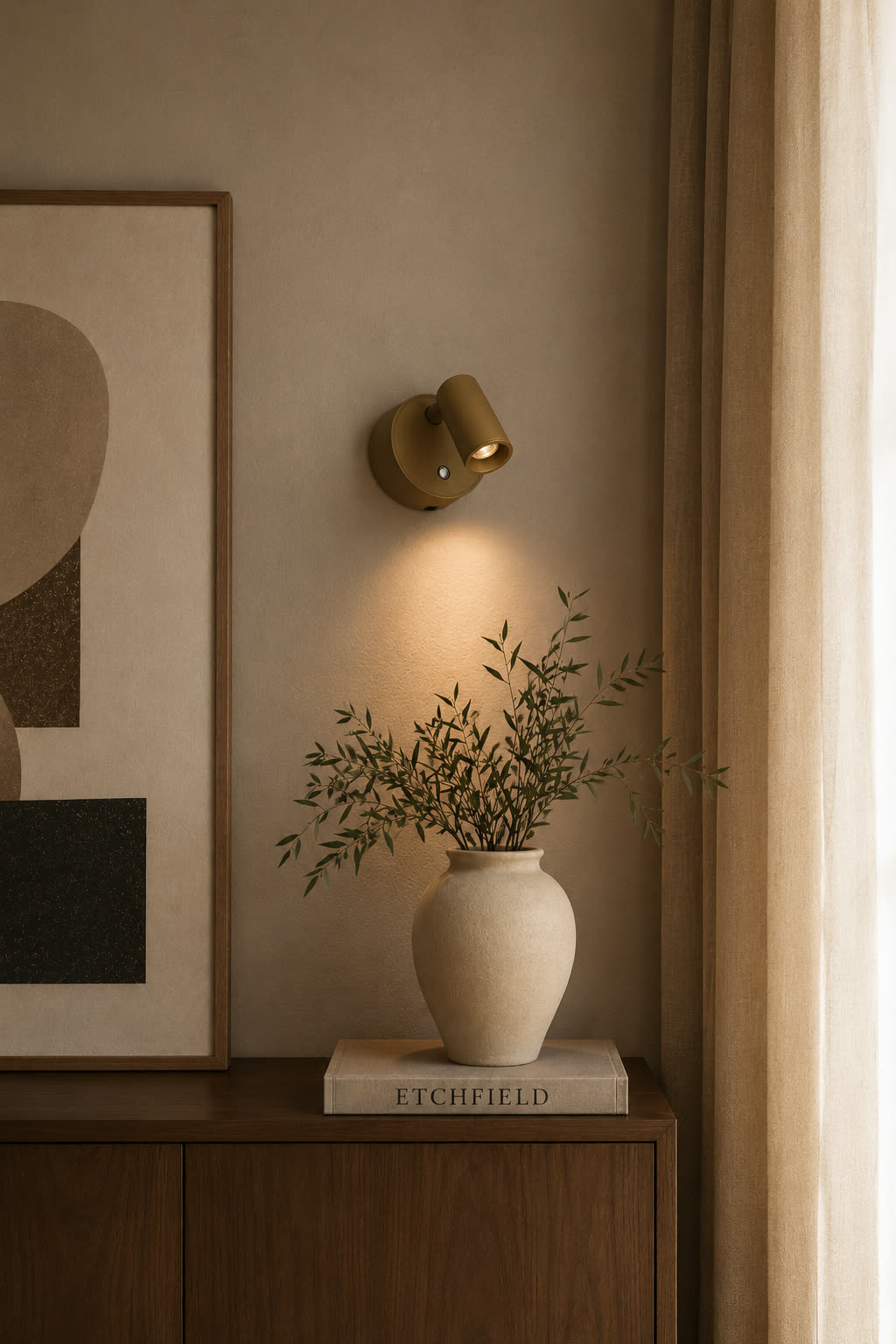
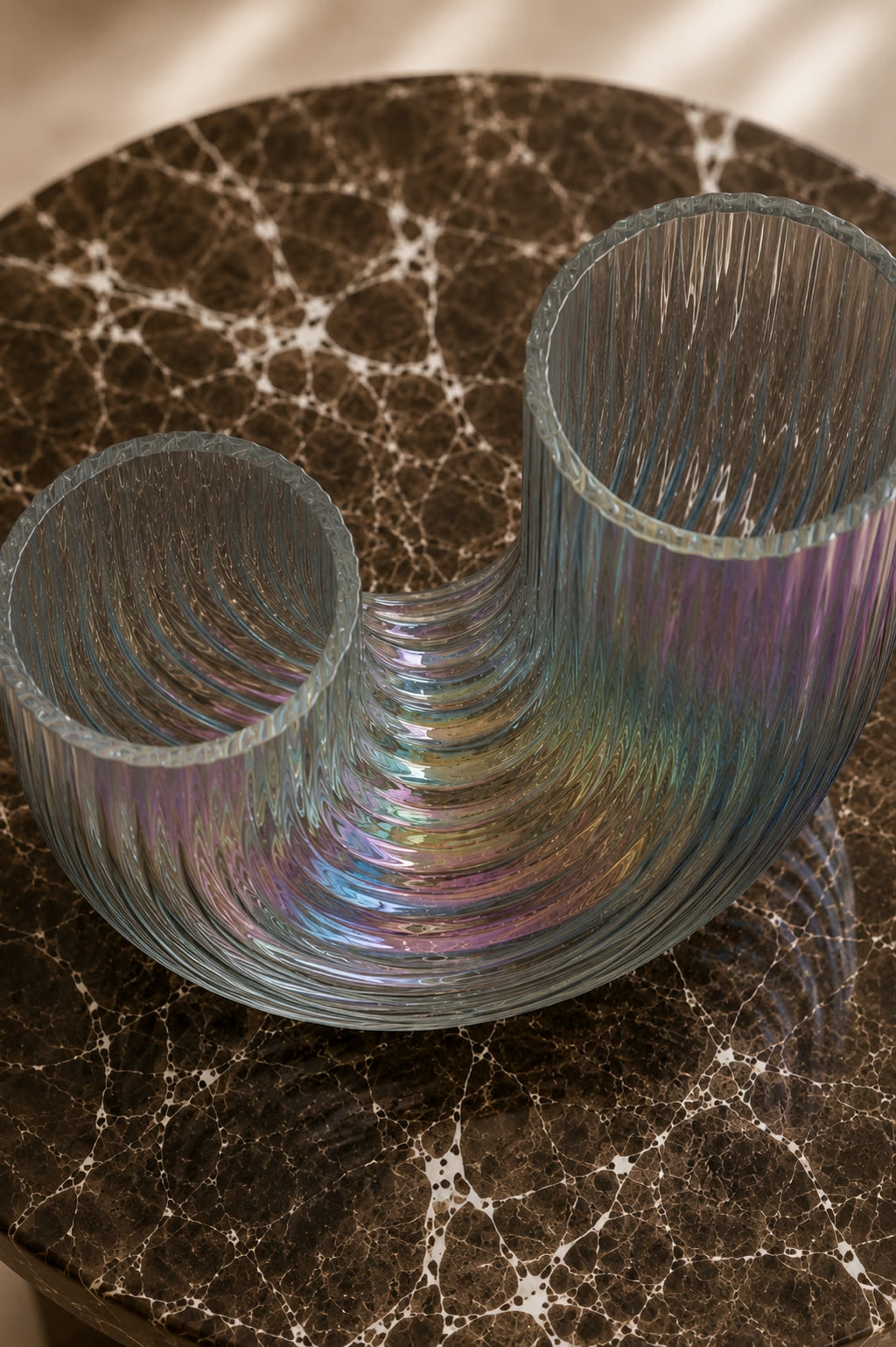
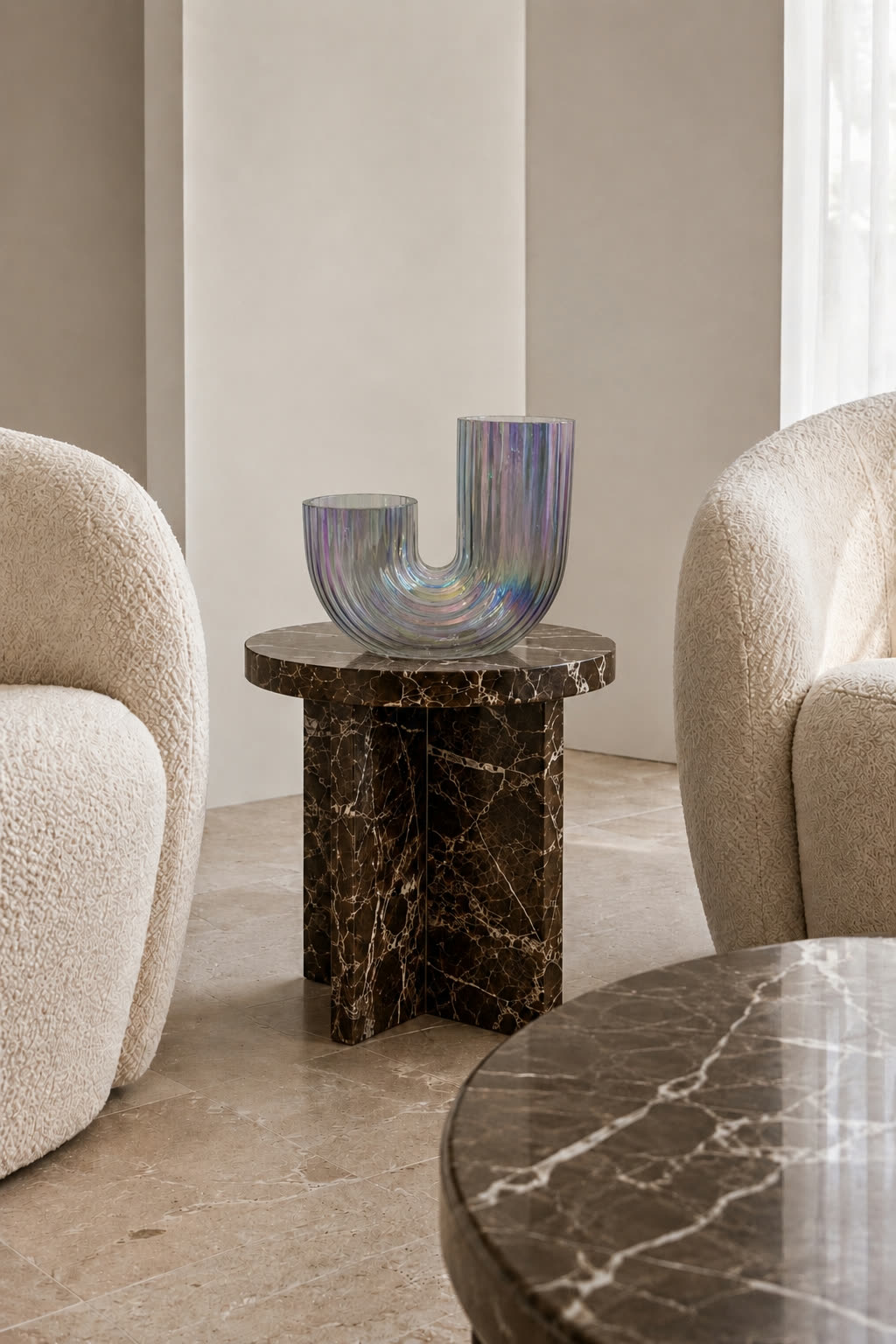
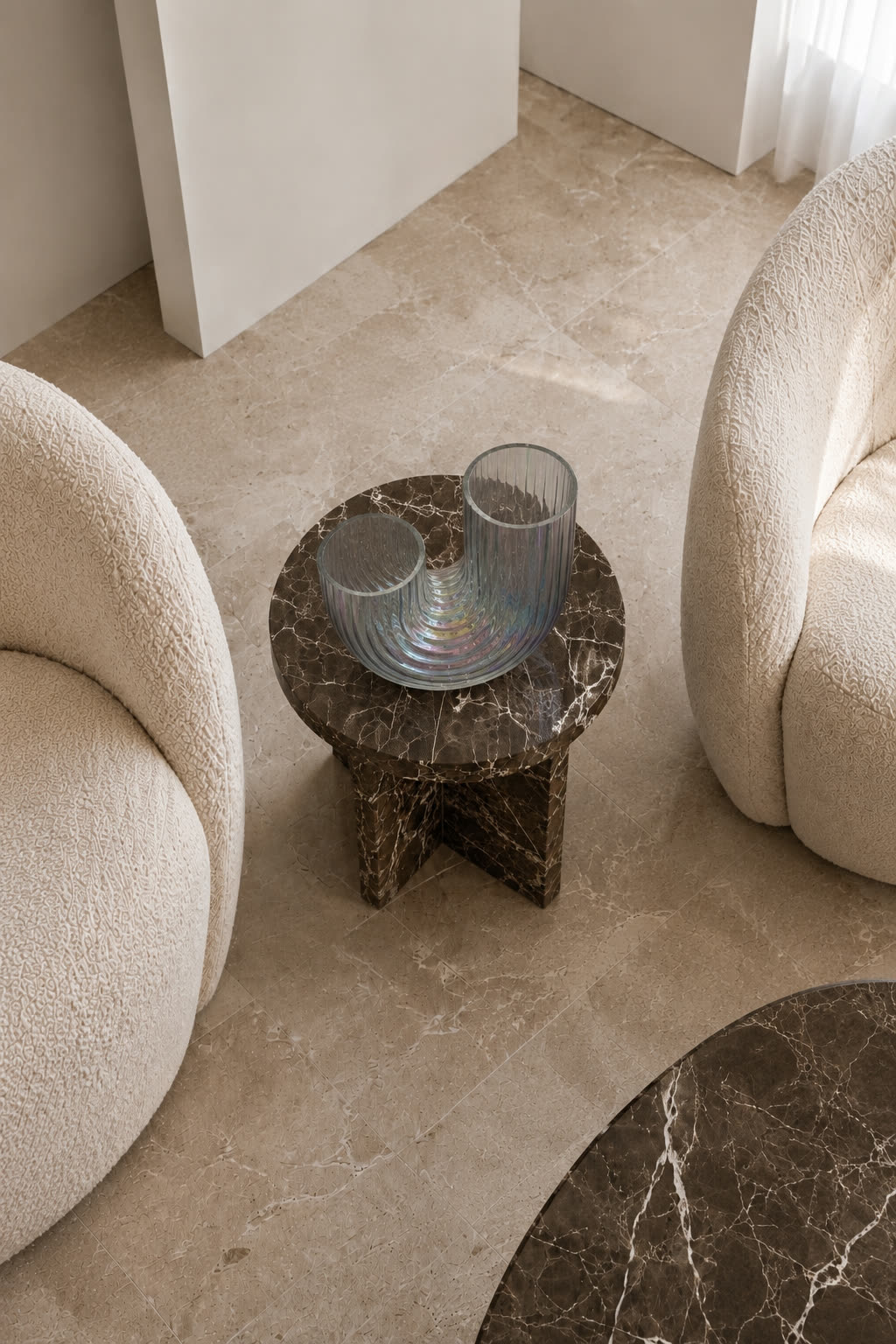
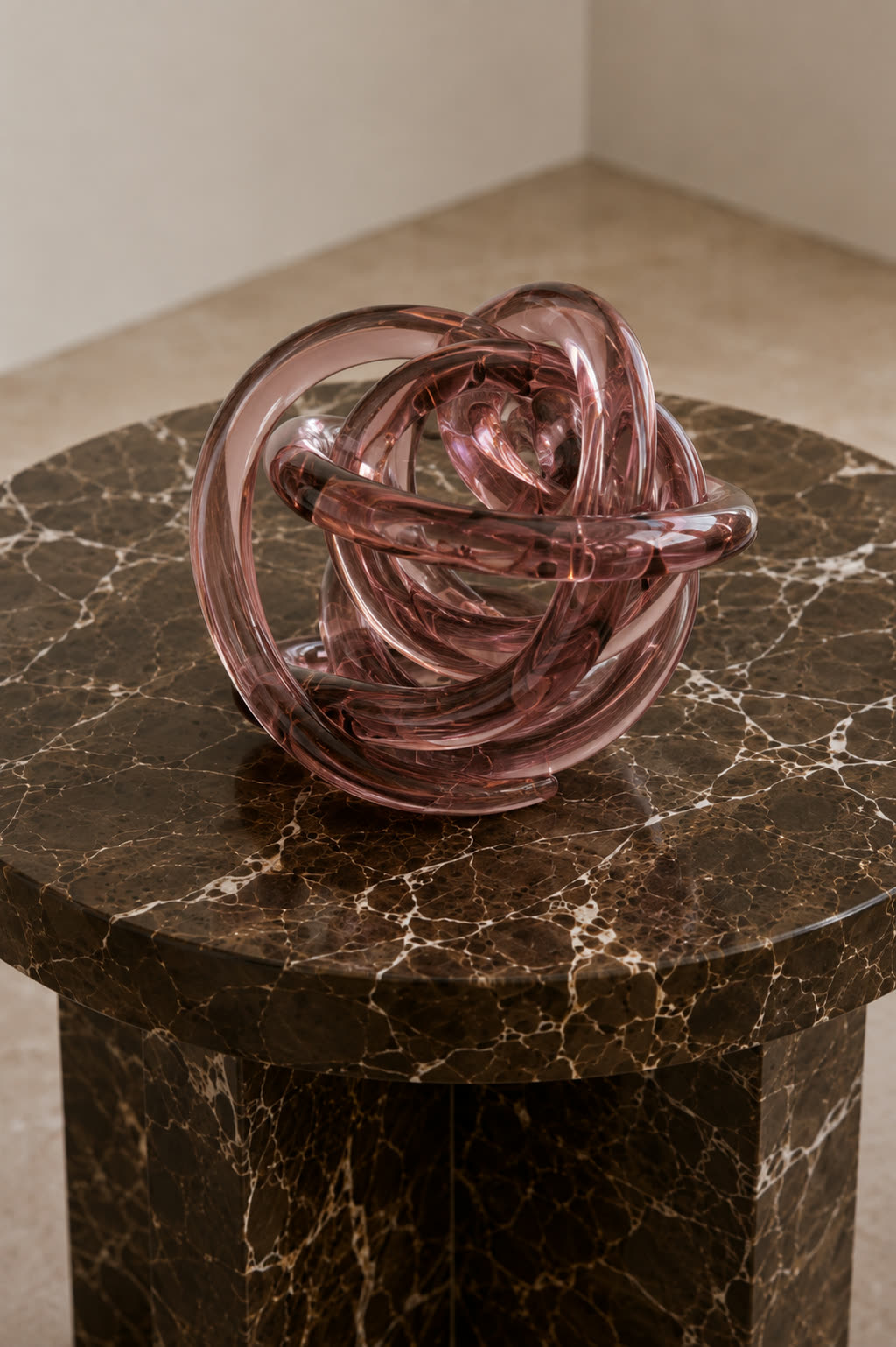
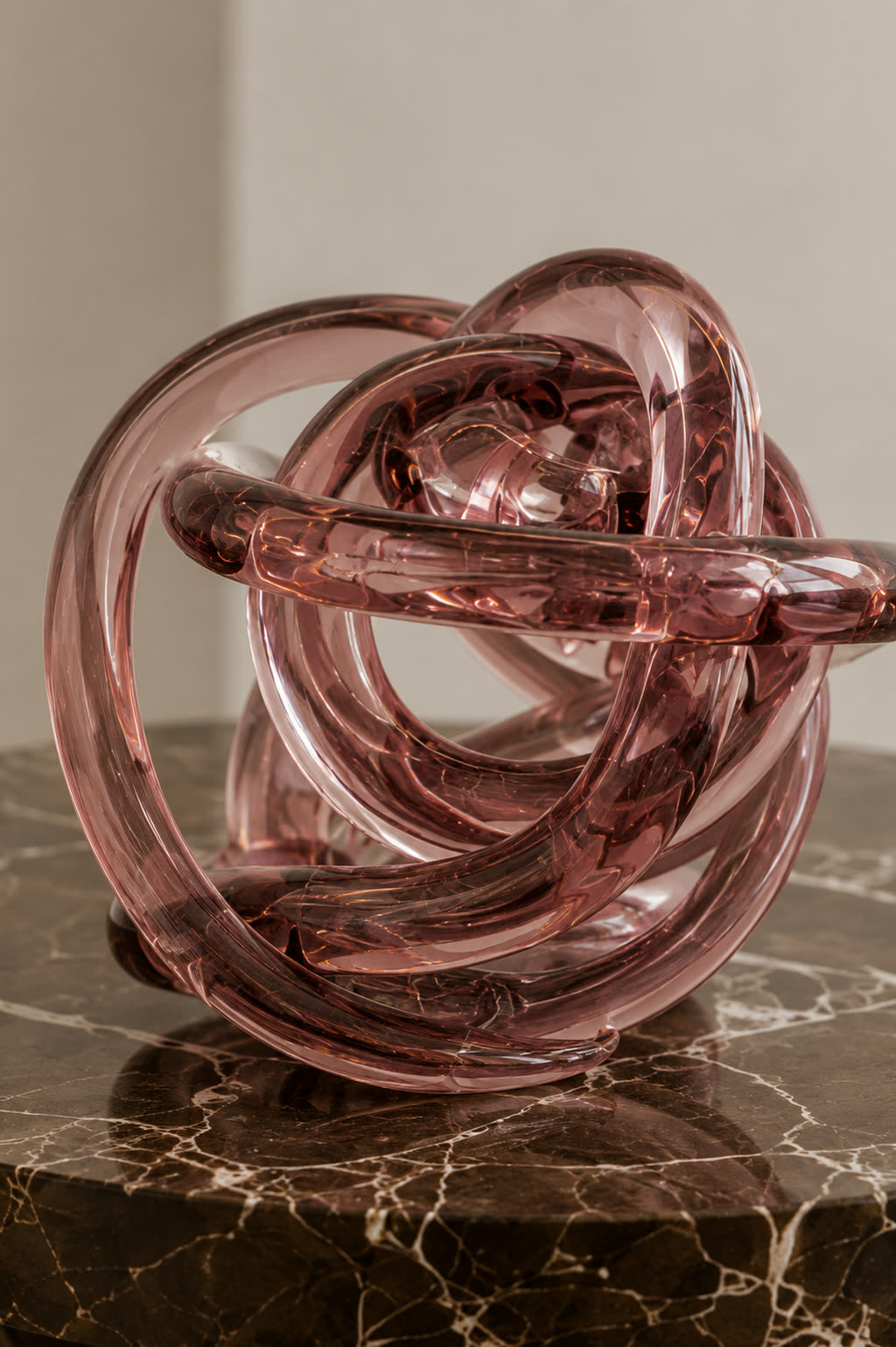
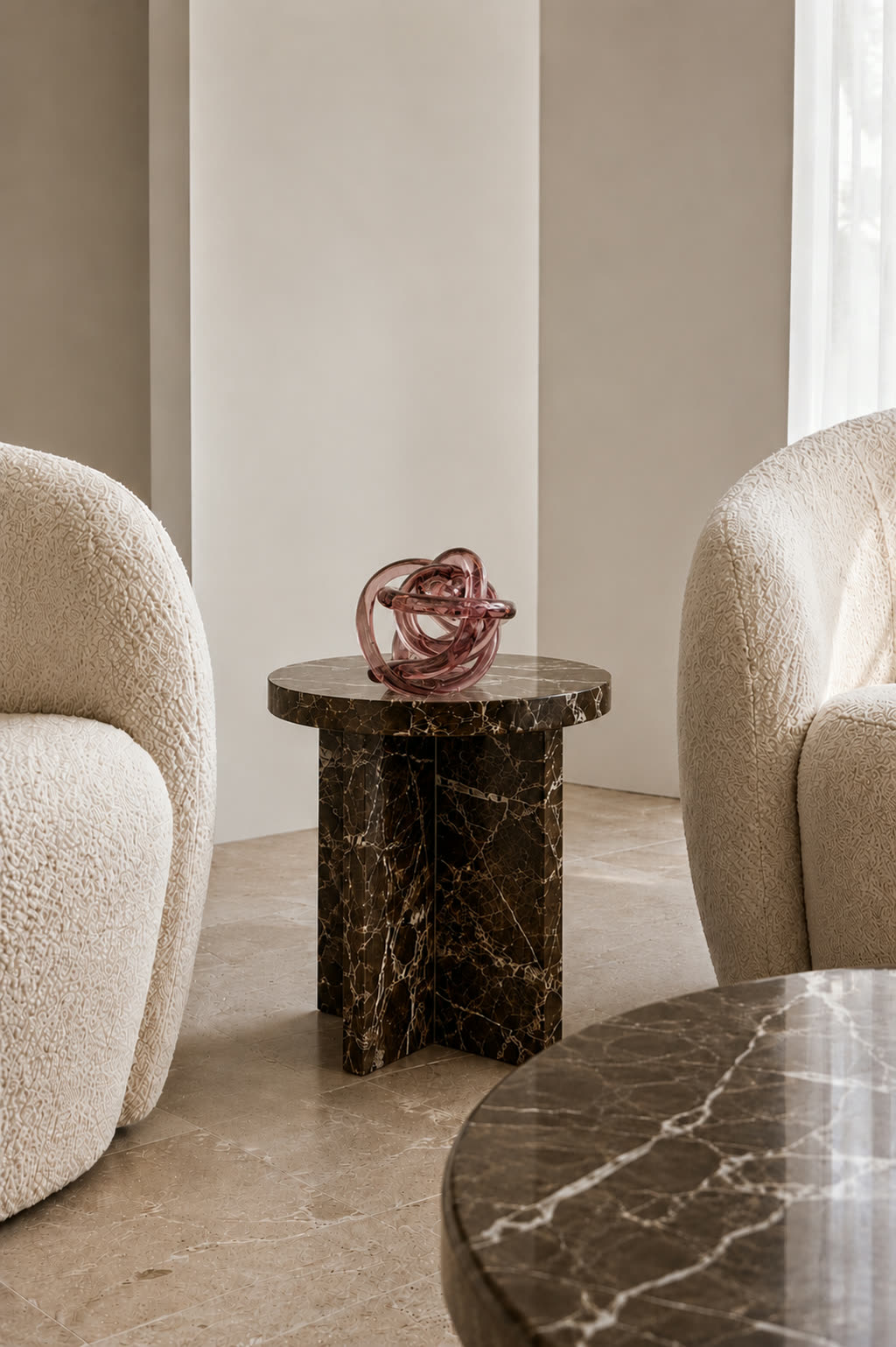
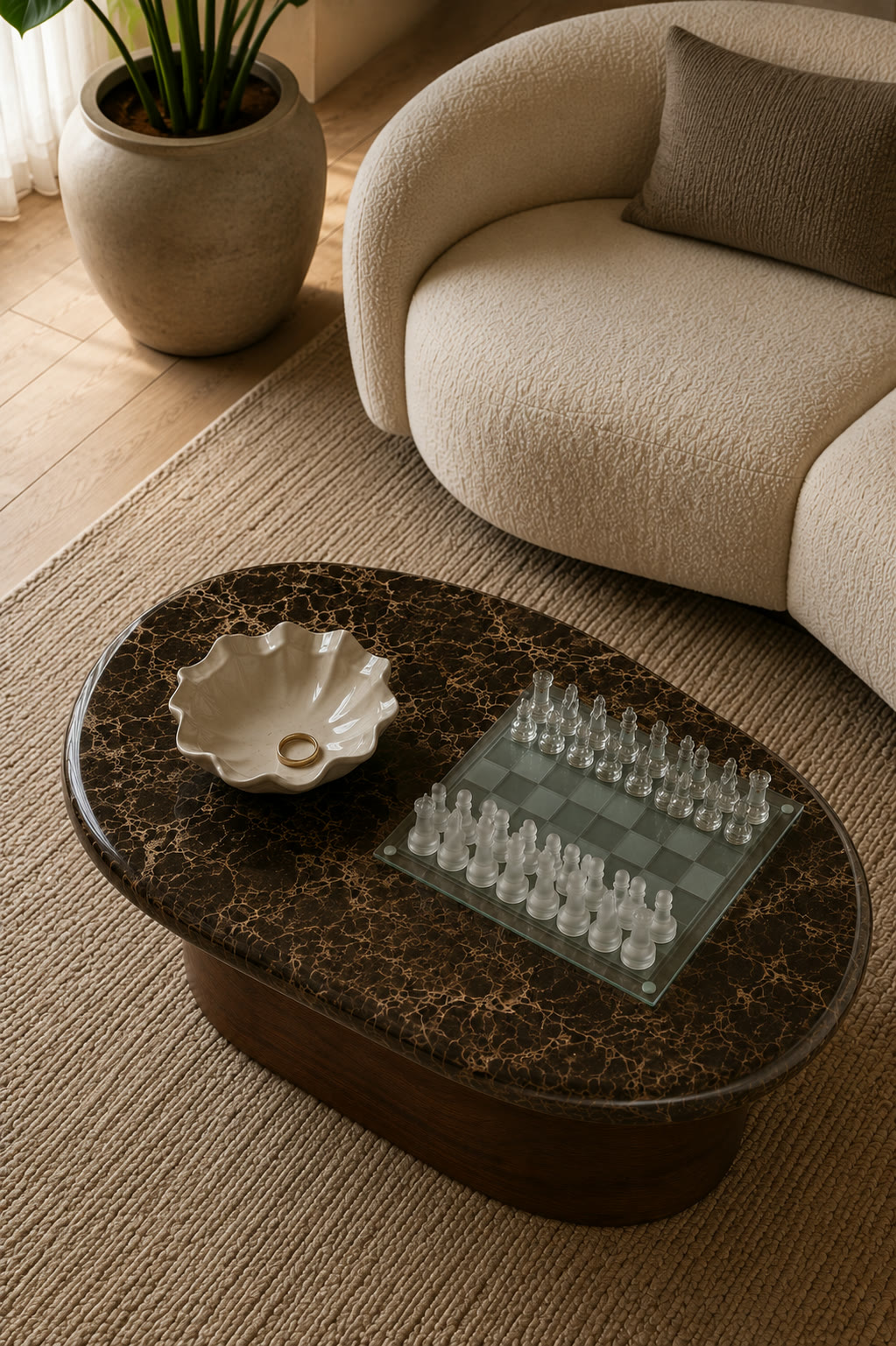

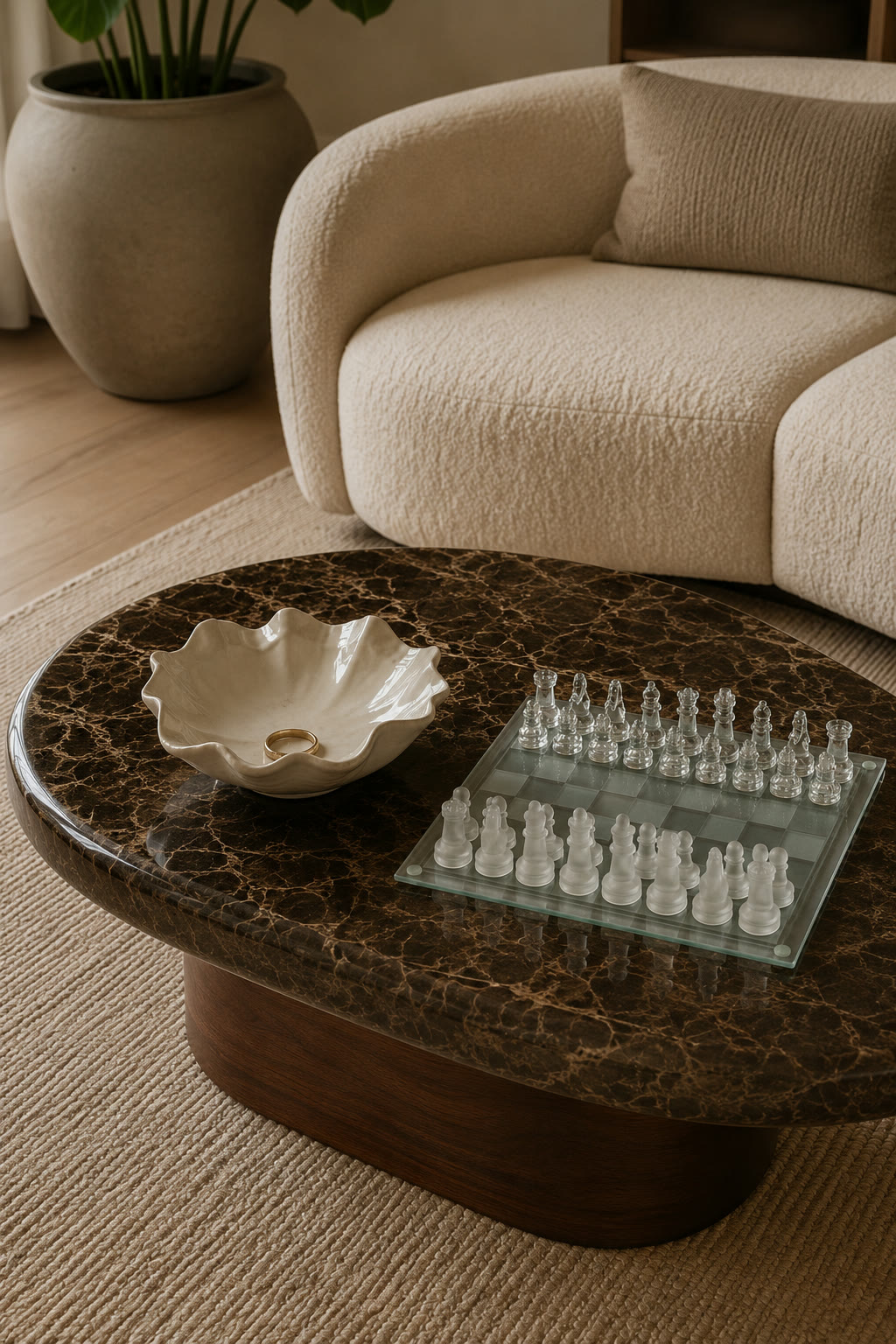
Six products, three frames each, produced to one standard. Every image here is our own work, shown as produced work. Where a page pairs a finished image with a reference, as in the two sections above, the reference is a real file: a supplier listing image or a photograph of the object itself.
Material range
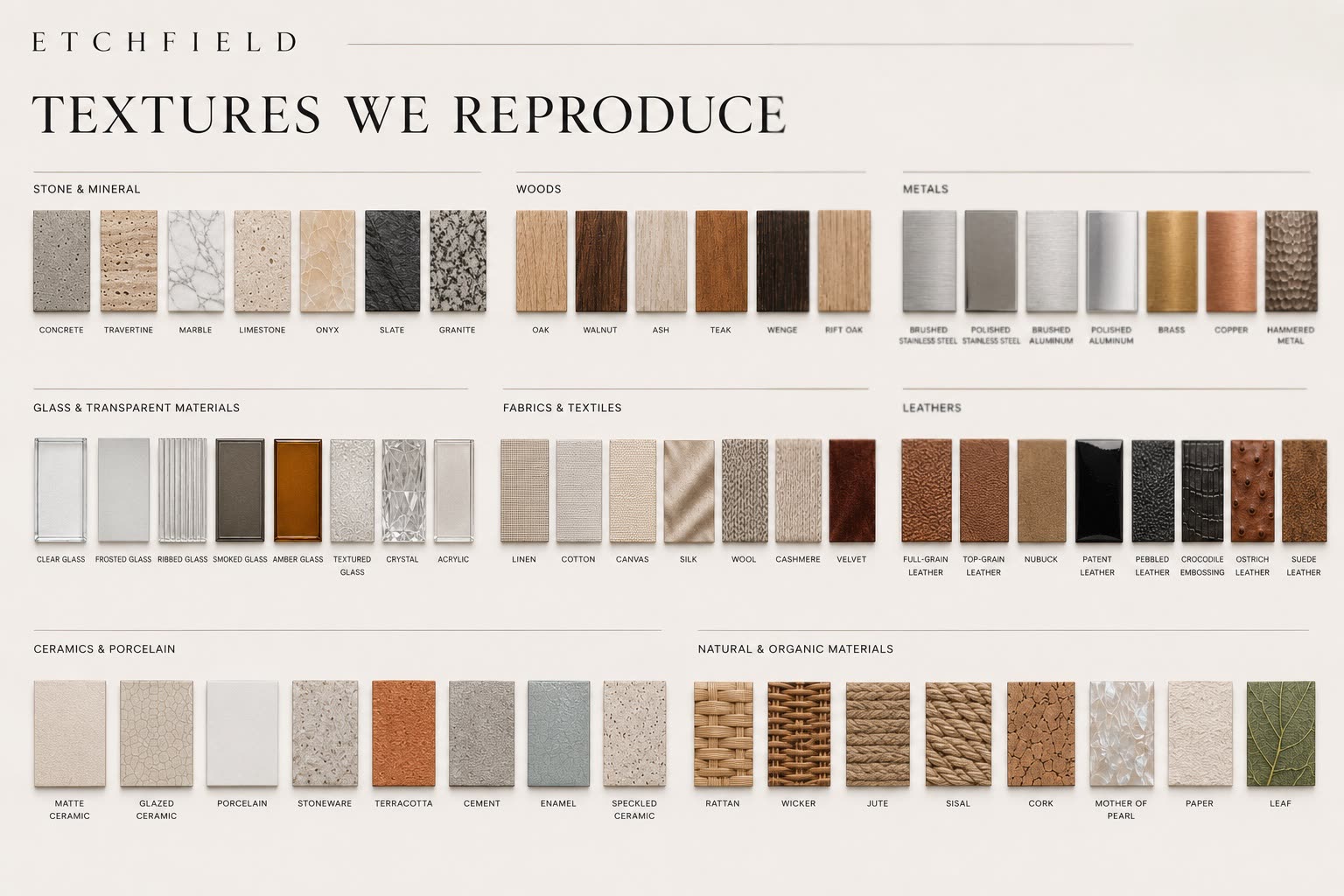
Matched surface for surface.
Check six asks whether you could name the material from the finished image alone. That starts with a library built against real references, not a generic render preset.

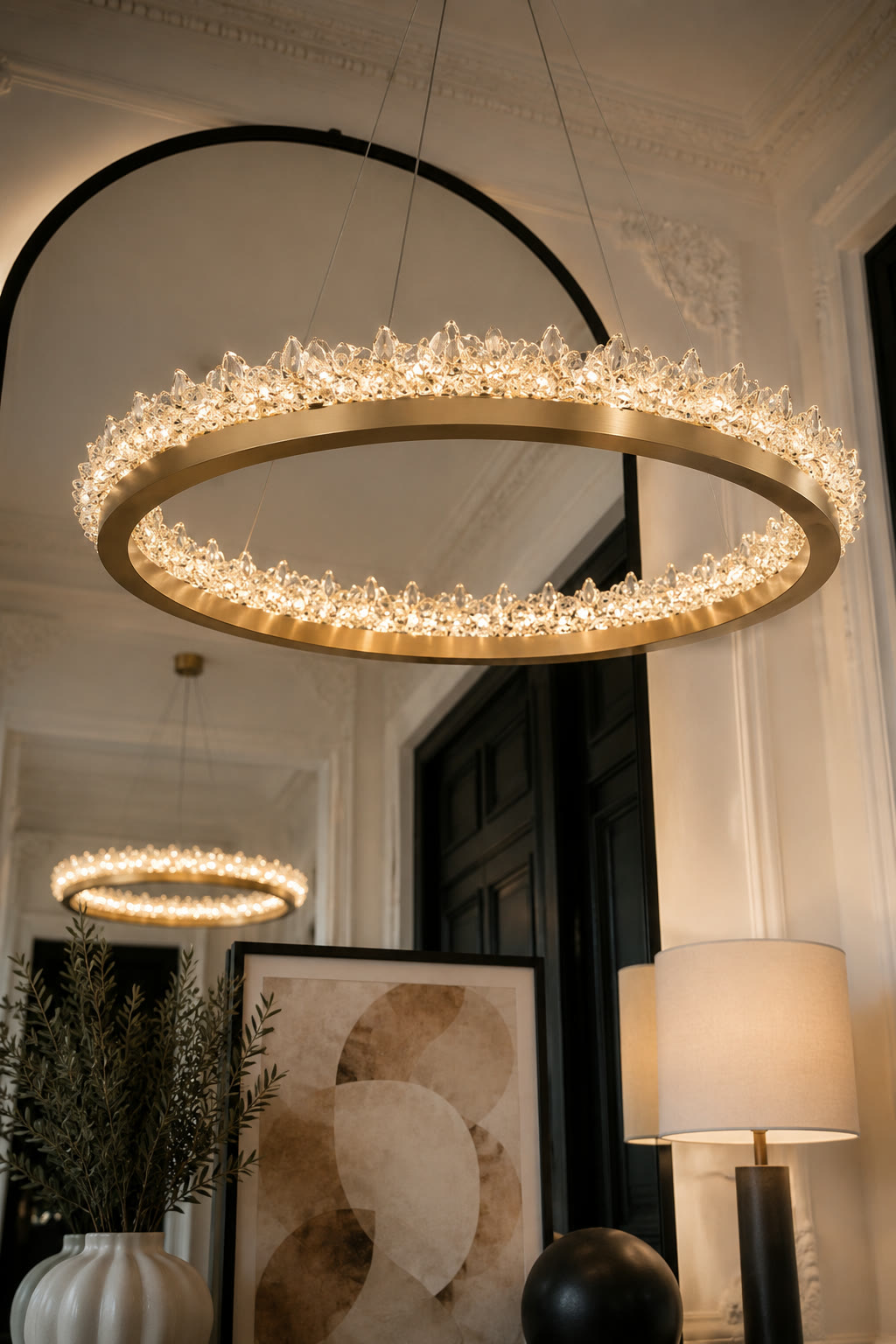
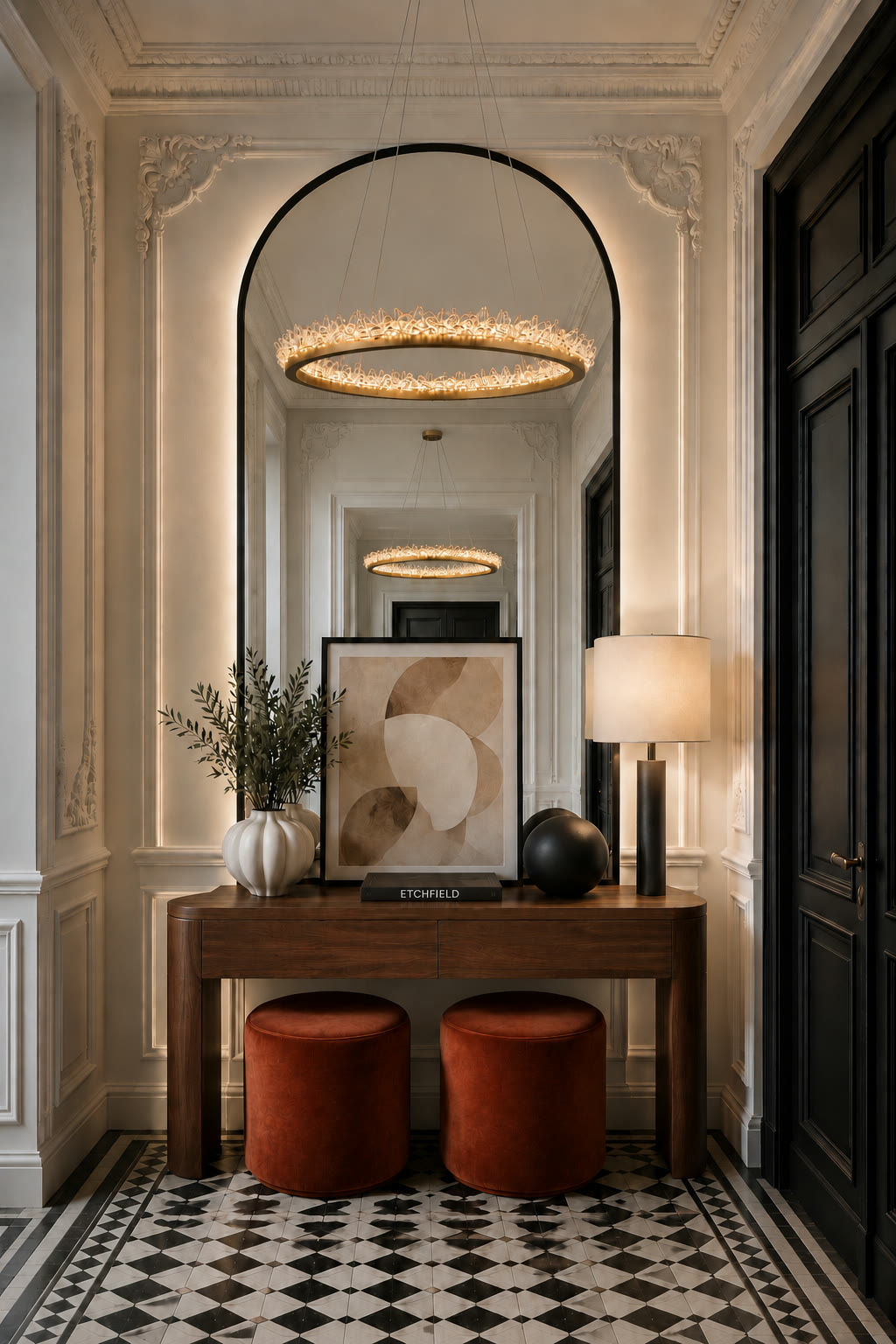
Room shots, on their own. The room shot is one of the five images in every set, because a customer deciding on a chandelier or a dispenser is really deciding whether it belongs in their house.
The deliverable
Five images per product.
The main shot
Clean ground, square, cropped to sit correctly in your collection grid and on the marketplaces.
The angles
Front, side, and the view a customer emails to ask for.
The detail crop
The glaze, the grain, the weave, the join. Close enough to answer the question before it is asked.
The scale shot
Held, or placed beside something known, so nobody has to work the dimensions out from a table.
The room
The piece in context, lit and styled to your brand rather than to a stock interior.
Delivered as a 2400 by 2400 square master for every image, plus the crops each channel needs for your own store, your marketplace listings and paid social. Files named to your SKU convention, so they upload without renaming.
The guarantee
Every image matches the actual product.
Colour and finish. Material and weave. Proportion between the parts. The details a customer can count.
If an image misrepresents your product, we correct it. If it cannot be corrected, it is not billed.
This is a term of the engagement, agreed in writing before any work begins, and it is separate from ordinary revisions of styling or crop. It is also the reason we ask questions about your reference images before we start rather than after. Read the terms in full.
How the guarantee is enforced
Seven checks, on every image, against your reference.
Before anything is produced we read your reference and write these down as words. That sheet goes to you. It is what both of us hold the finished image against, so the conversation happens once, at the start, rather than over fifty finished files.
Finish tone
Warm or cool. Is the rose gold still rose gold, is the brass still brass.
Colour
Same hue and same temperature on the body of the piece. No glaze quietly running warm.
Gloss
Matte, satin, gloss or mirror. A satin ceramic does not come back polished.
Count
Birds in a print, slats, drawers, stones, laces. Counted on both sides, never estimated.
Proportion
Part against part. Shade to base, head to body, stone to band.
Material
Would you name the same material from the finished image alone. Steel does not become plastic.
Nothing improved
The one that matters most. Nothing cleaner, brighter or more symmetrical than the real thing.
Check seven is the one that protects you. The first six ask whether the image matches. The seventh asks whether the object was made better than it is, because that is the direction this work drifts in if nobody is watching. A piece that photographs better than it arrives is the piece that comes back.
The checks run on every single image, beside its reference at the same size, and then once more across the five together so the set agrees with itself. You get that record with the delivery.

How it works
Three steps, no logistics.
You send references
Usually what you already have is enough. The supplier image, your existing shot on white, or a few frames taken on a phone. We send a one page guide on what makes a reference usable.
We produce the set
The first product comes back finished and is approved before the rest of the run is produced, so the standard is agreed on one item rather than argued over fifty.
You publish
Sized and named for each channel, ready to upload. No converting, no renaming, no reformatting at your end.
One thing we need from you. We can reproduce what your references show us. We cannot reproduce what they do not. If a print, a texture or a finish is not legible anywhere in what you send, we ask for one more frame before starting rather than guess at it. That is what keeps the guarantee honest.
Against the alternative
Why brands use this instead of booking a studio.
Nothing ships
The piece stays in your warehouse. No courier, no insurance, no fragile ceramics in transit, no weeks of a SKU being unsellable because it is sitting on a seamless in another city.
No minimum
One product or five hundred. A studio day has to be filled. This does not.
A new format is not a new shoot
A different background, a different season, a different aspect ratio for a new channel. Produced again from the same reference rather than booked again.
Approval before the run
You see one finished product and sign it off before the remaining forty nine are produced.
Also produced
The same standard on other surfaces.
Jewellery, floral, footwear, watches and skincare are also categories we take, though homeware remains primary. A faceted stone, a mirror-polished case and a grained leather are the surfaces that tell you whether a process holds a reference or quietly flatters it, which is why we show them here.
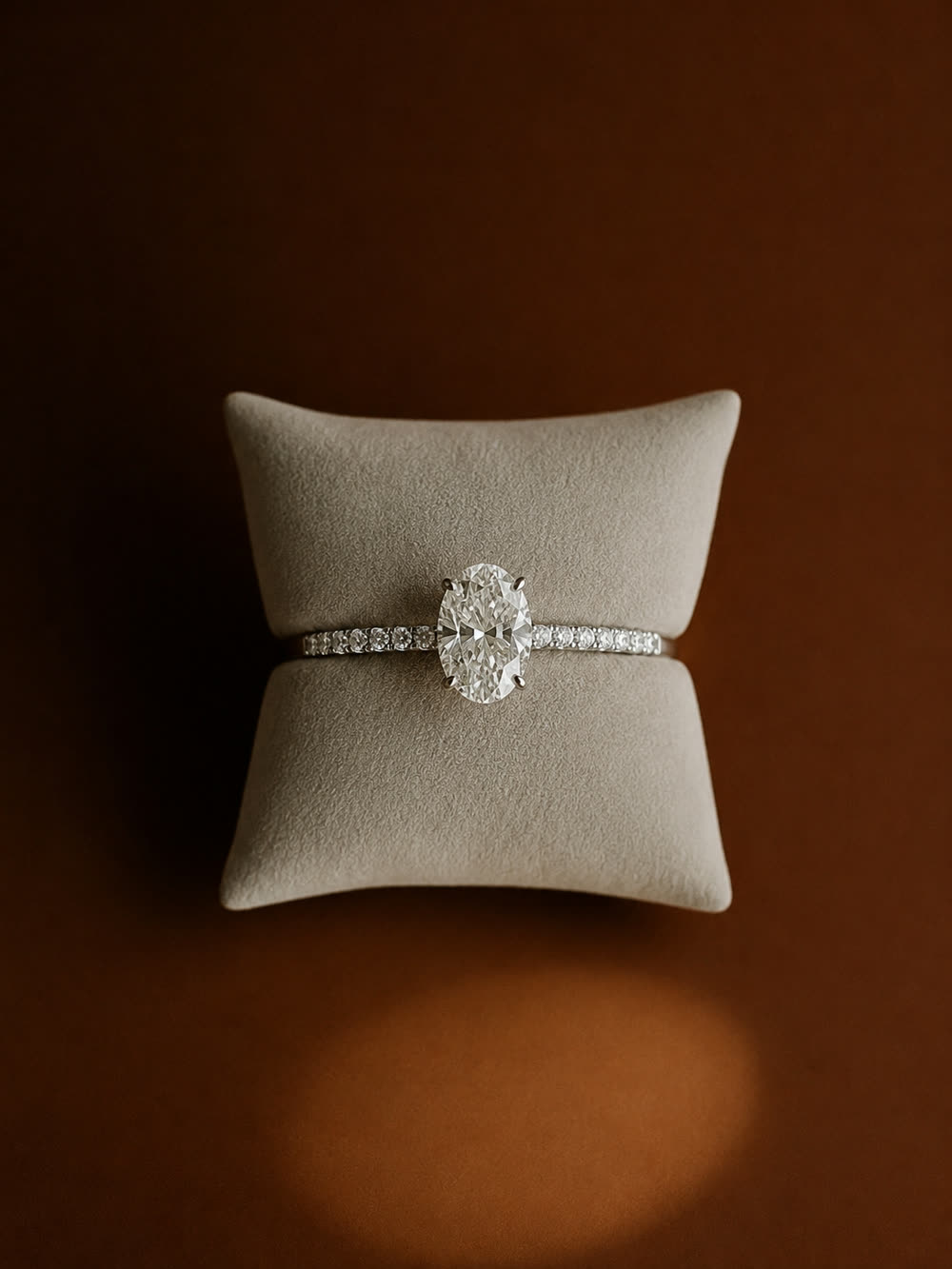
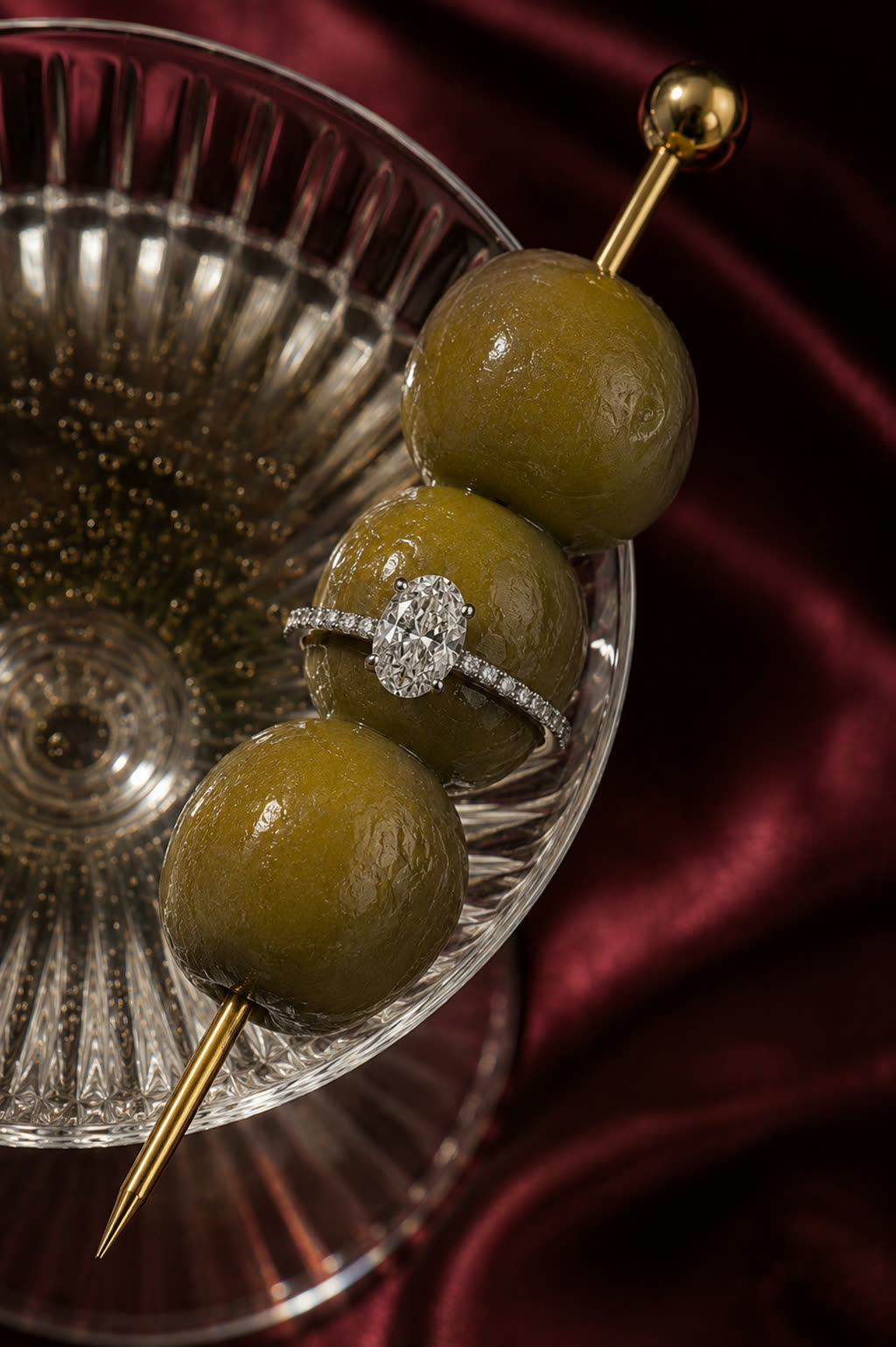
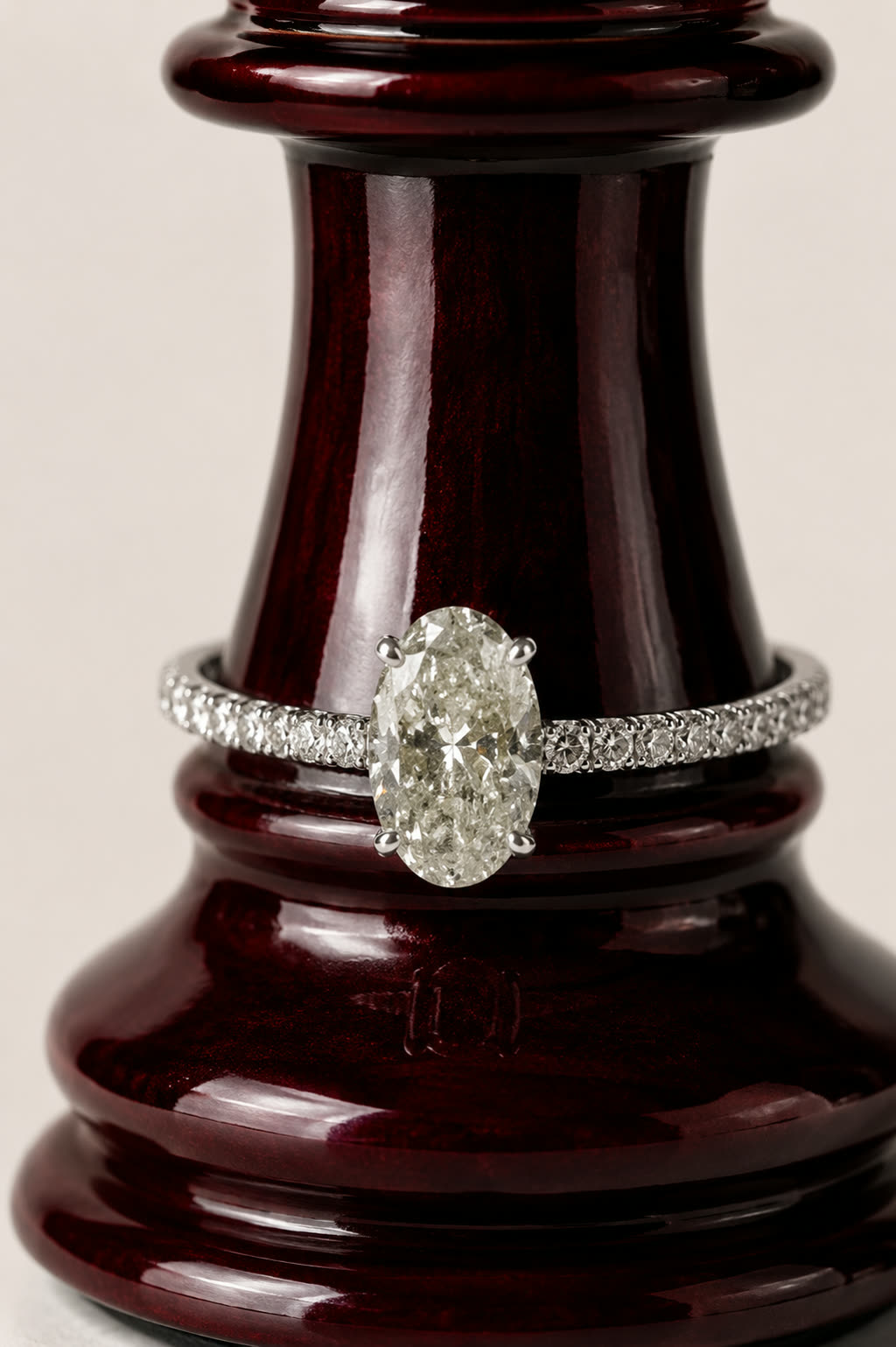
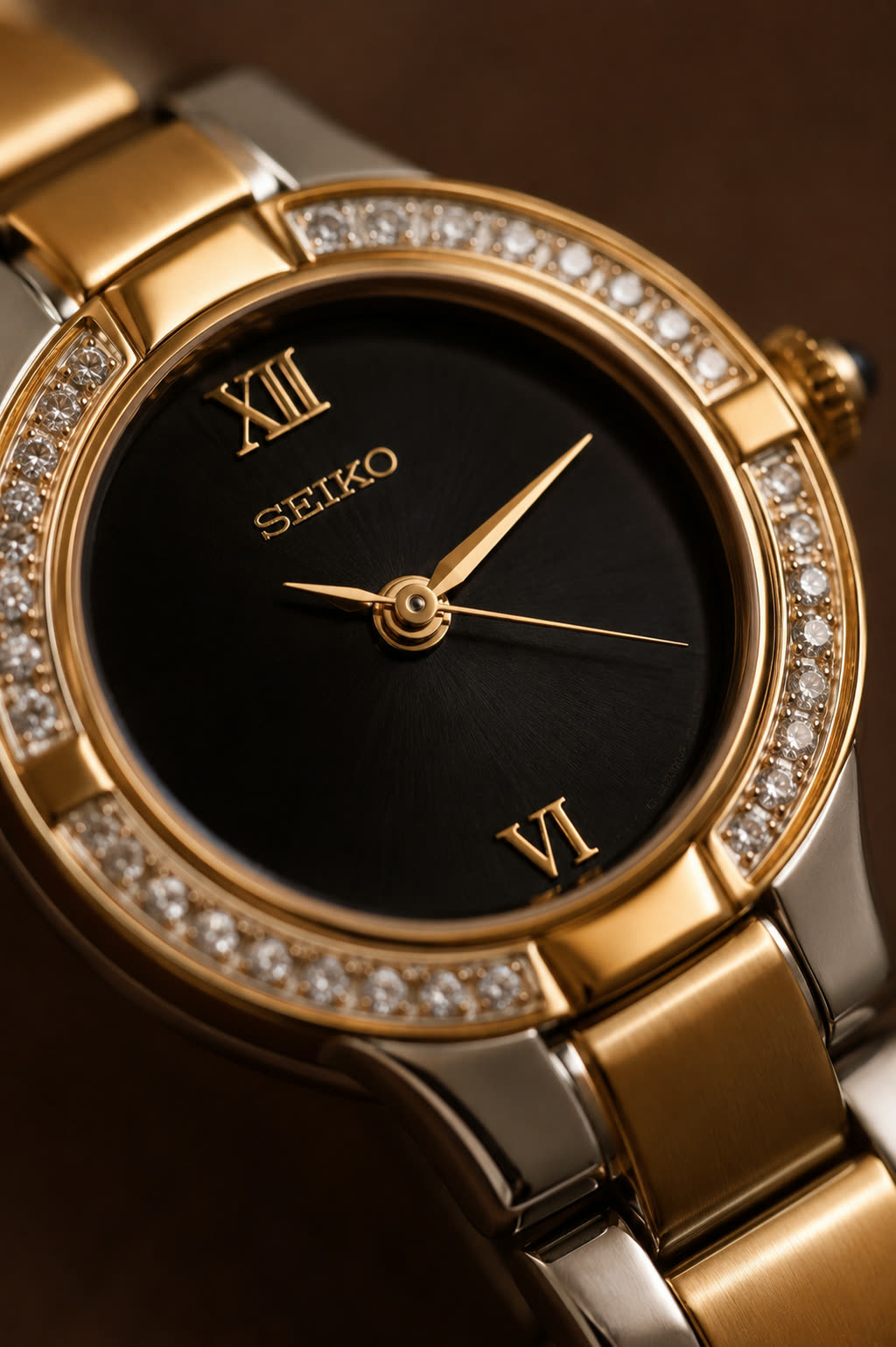
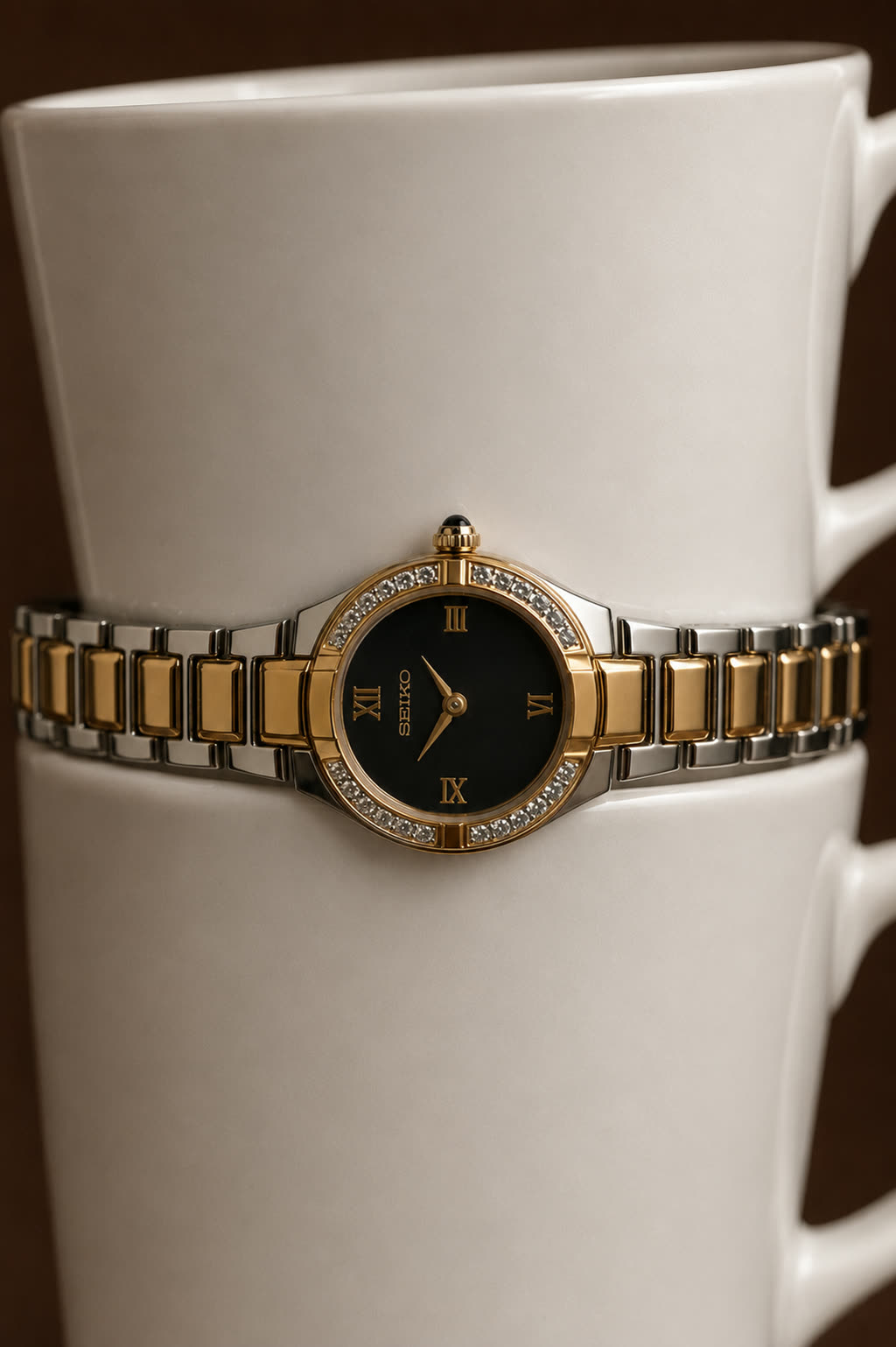
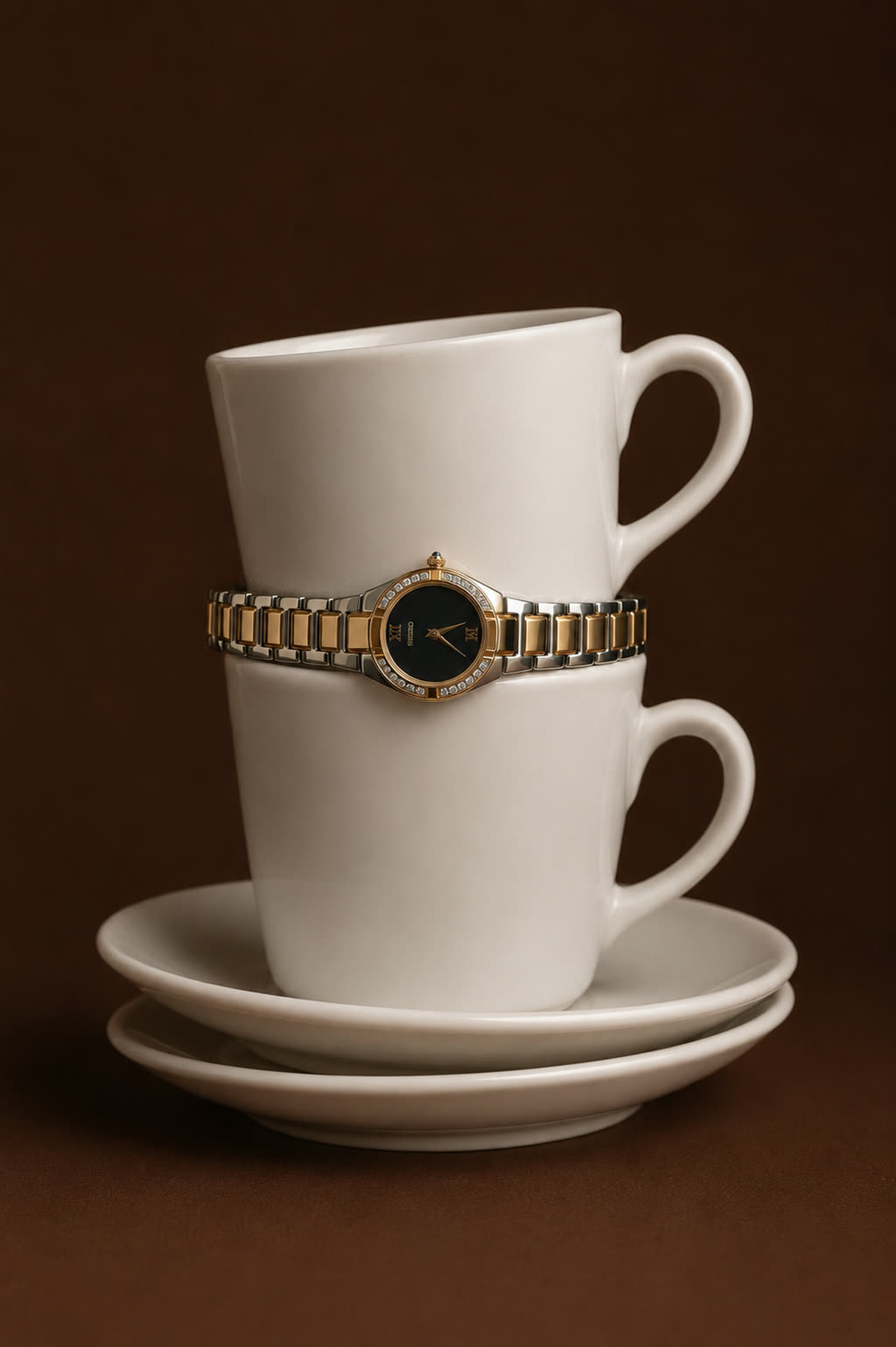
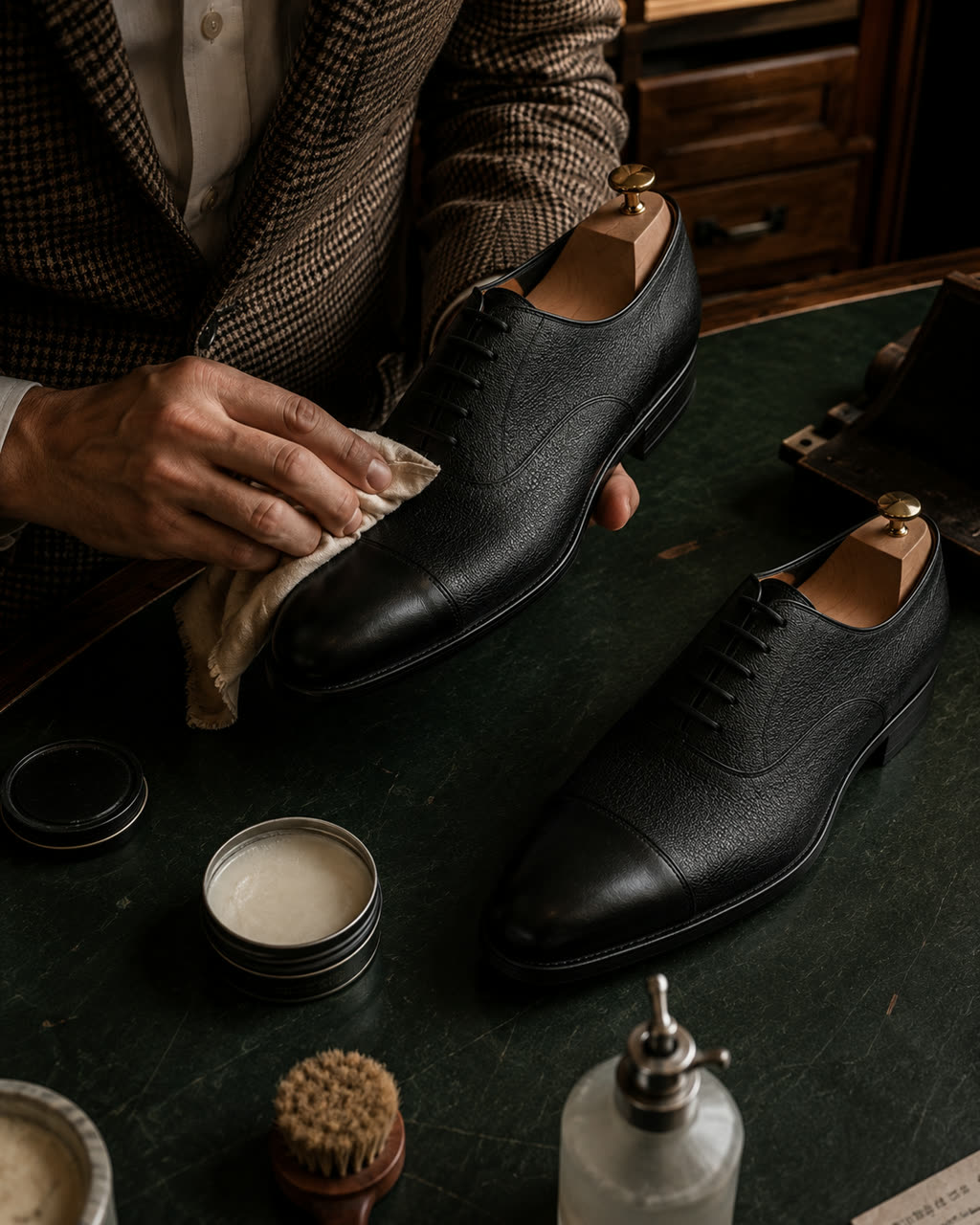
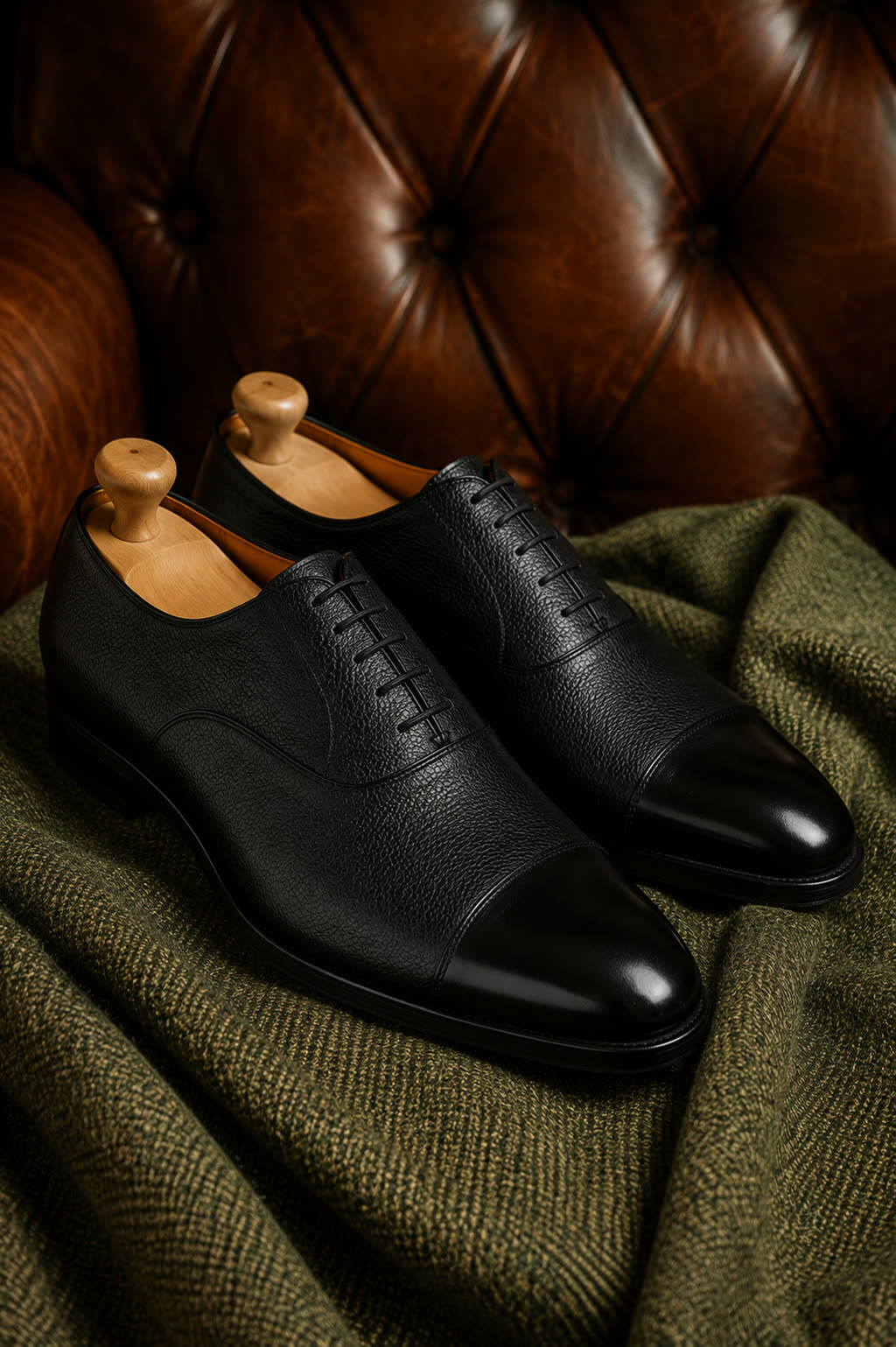
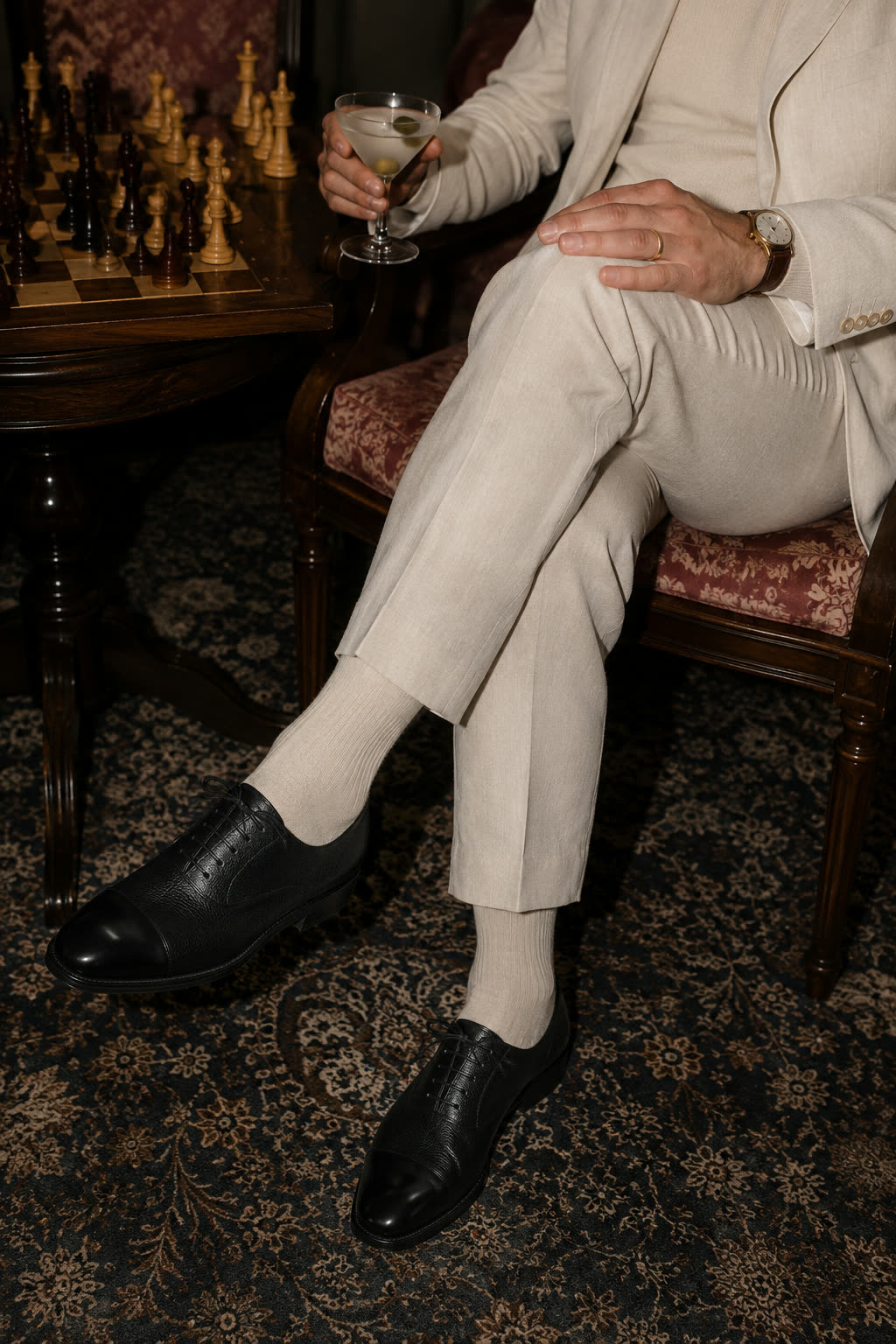

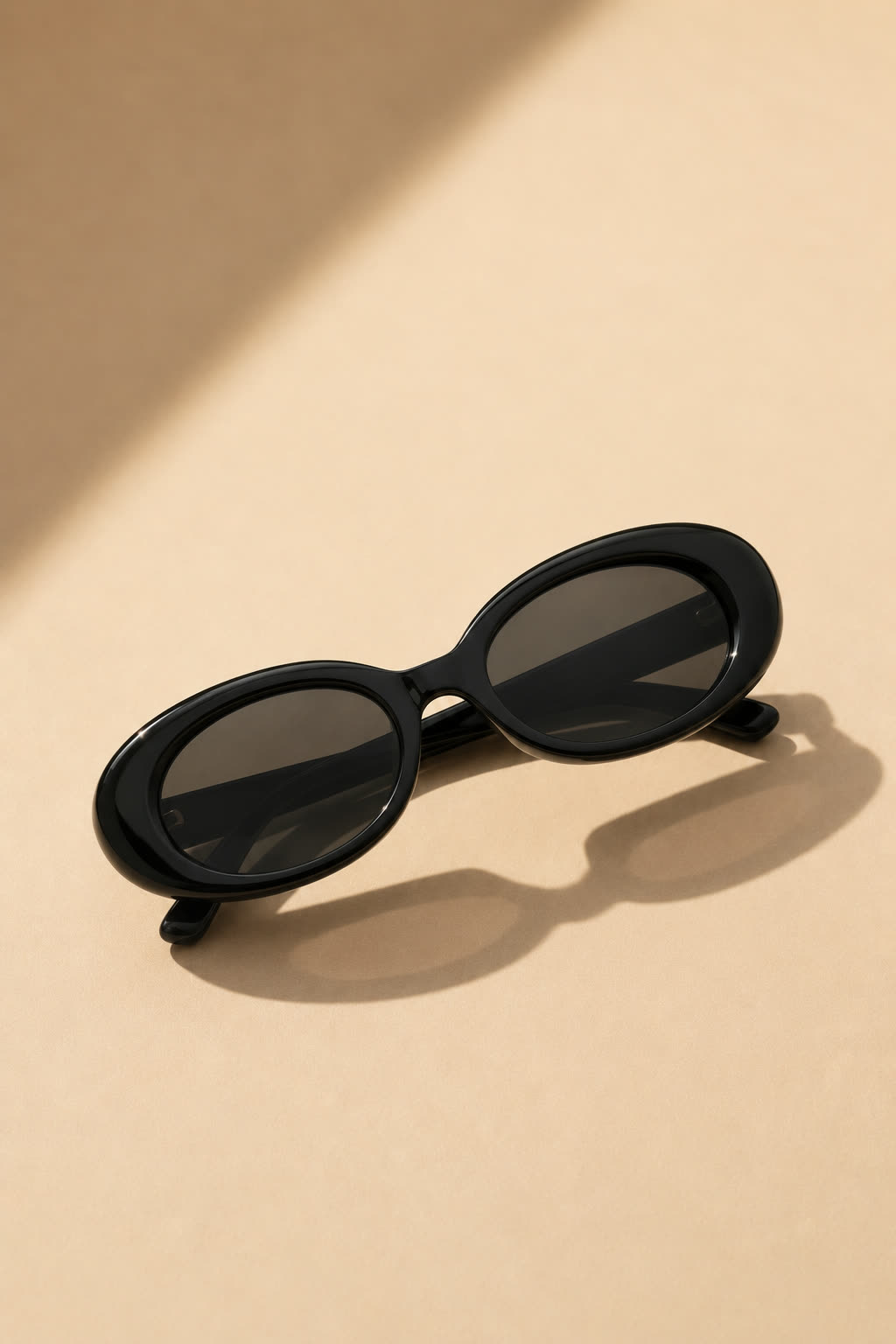
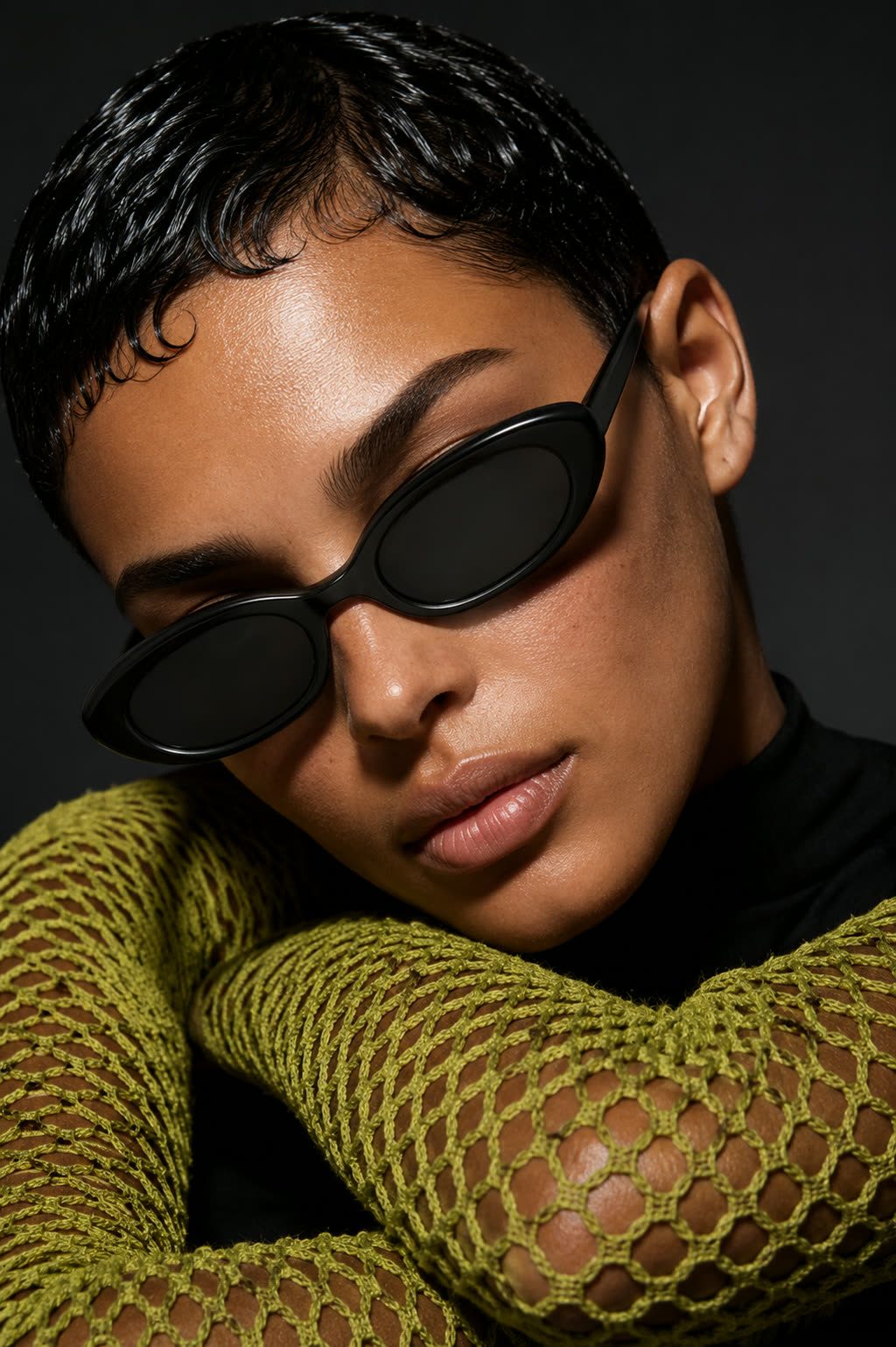
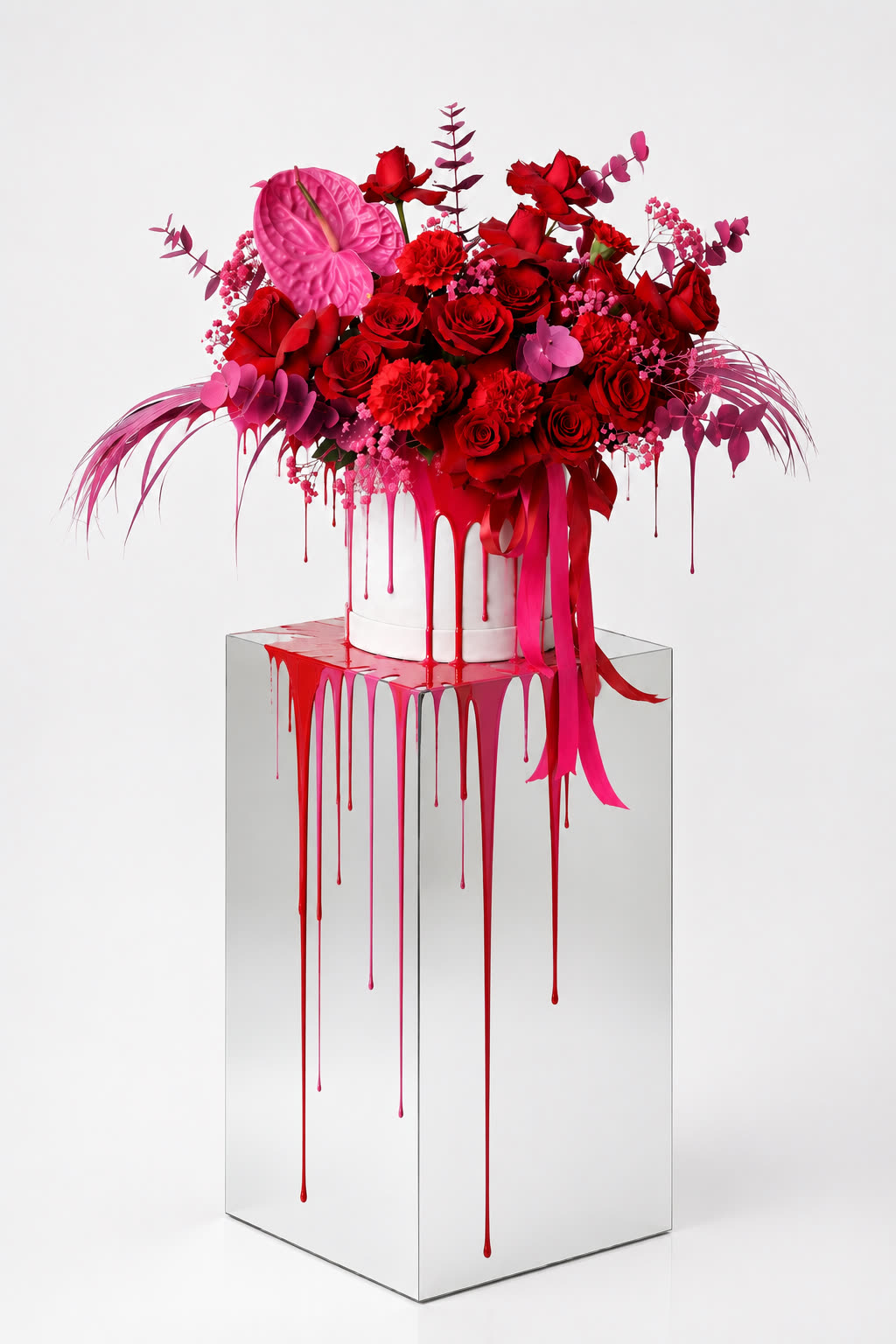
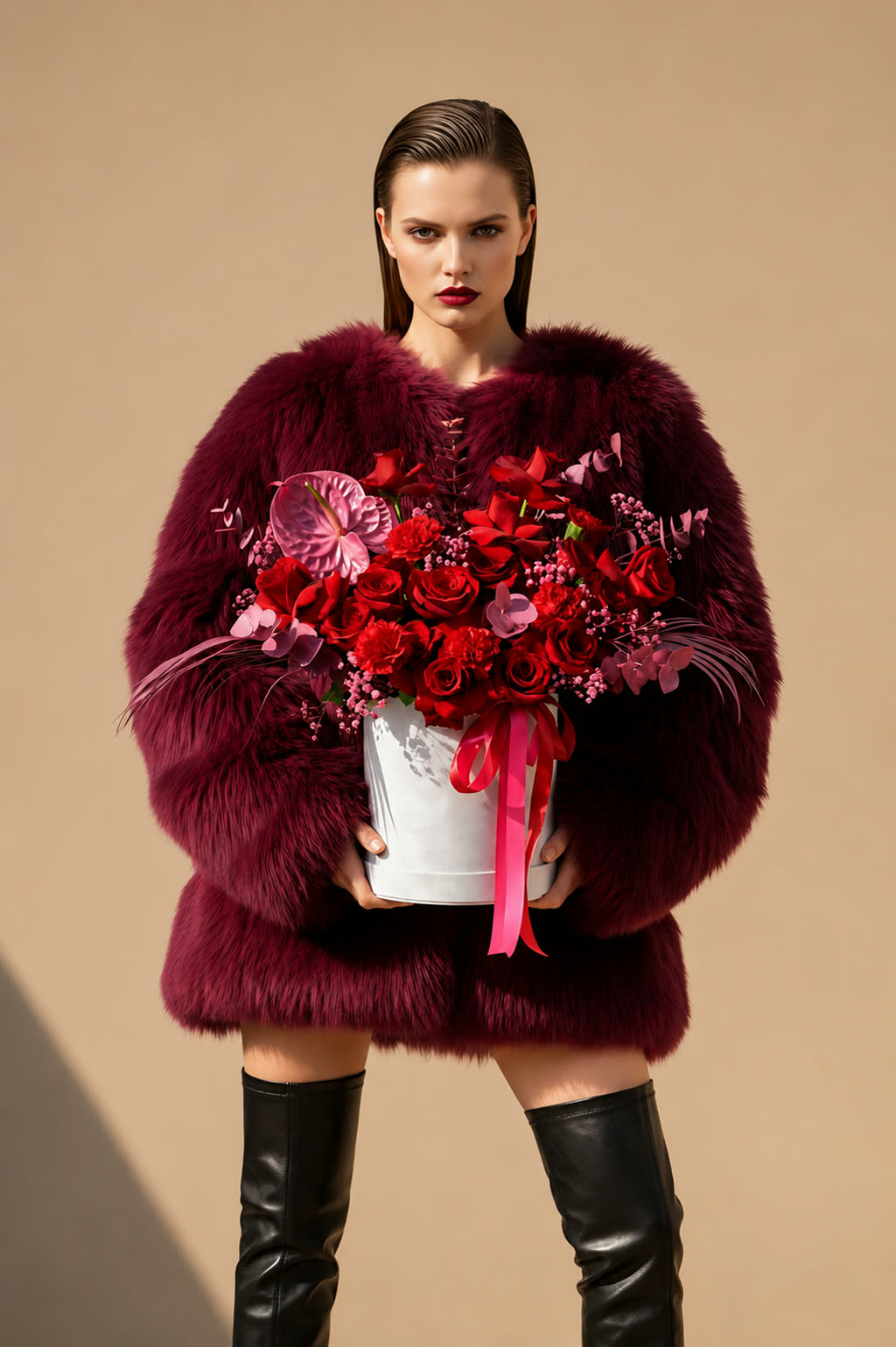


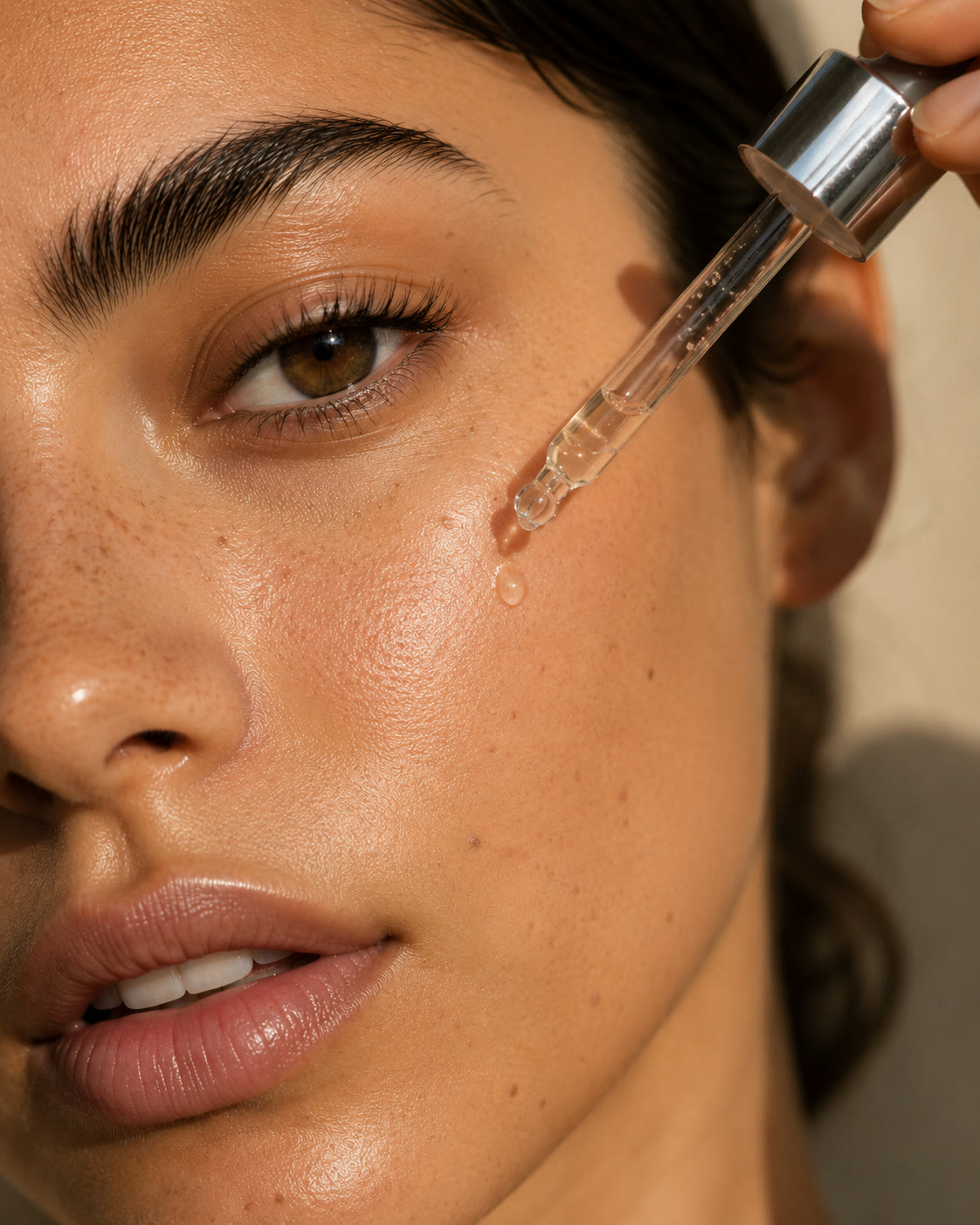
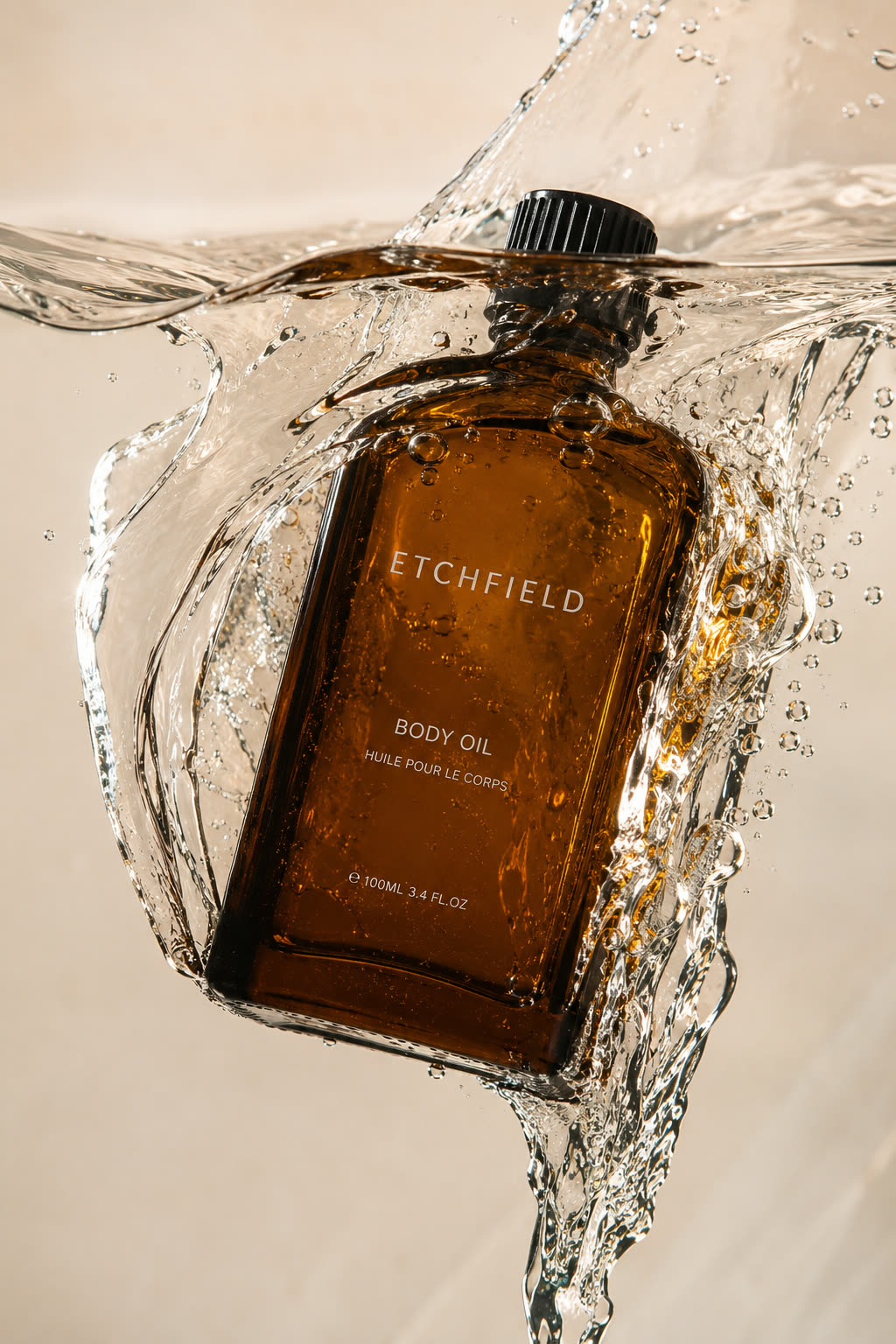
Homeware, decor and tabletop are primary. Footwear, watches and skincare are secondary, not the focus. They are here because polished metal, faceted stone, grained leather and translucent glass are among the hardest things to hold to a reference, and a page that only showed matte ceramics would be choosing the easy cases.
Pricing
Flat, at any volume.
Start with one product.
Send one reference. You get the full set of five back, at the same price per product as the largest run we take. There is no minimum and no commitment beyond that one product.
A studio cannot do this, because a studio day has to be filled and your piece has to be couriered to it. It is the cheapest way to find out whether the work is what you need.
No setup fee, no per format charge, no rush fee. Printed text and packaging copy that has to be reproduced exactly is quoted separately, because it takes considerably longer.
Against a US studio
The same catalogue, at typical US studio rates.
Where these numbers come from. Both figures reflect published rate structures we see repeatedly among US product-photography studios, current as of 25 July 2026, calculated at the lowest listed tier. Per-image rates are often listed as "from", so the real figure for a given job may be higher. Neither structure publishes a volume discount, though either may be offered privately. Our price is flat and published in full, and it is the same at one product as at five hundred.
Two things no price list shows. Both require the product itself to be couriered to them, held, and returned. A per-booking studio pass is charged per session, so a catalogue split across several bookings pays it more than once. We work from images you already have.
We are not the cheapest imagery in the world. UK volume packshot houses and Dubai studios are less, and we do not compete with them. This comparison is against US studios only.
Fit
Who this is built for.
A good fit
- Homeware, decor, tabletop, lighting and textiles
- Giftware and small furniture
- Jewellery, small accessories and floral
- Footwear, watches and skincare, as secondary categories
- Roughly 200 to 2,000 products in the catalogue
- Selling on your own store and the marketplaces
- Working from supplier images you did not commission
Not a fit
- Anyone who needs a person on site with a camera
- Products whose printed packaging copy has to be reproduced exactly, unless quoted separately
- A single hero product for a campaign rather than a catalogue
- Anything where the honest answer is that a photographer would serve you better. We will say so.

Questions
The things people ask first.
What happens if an image does not match the product?
Tell us and we produce it again. If it cannot be made to match from the references we hold, it is not billed and we say why. Every image is checked against your reference side by side before it reaches you, on finish, colour, gloss, material, proportion, and anything a customer could count. You get that record with the delivery.
Do you need us to ship you the product?
No. Nothing leaves your warehouse. We work from images you already have, which is usually the supplier photo or your own shot on white.
What happens to our reference images afterwards?
We use them only to produce and deliver your work. We do not publish them, show them to anyone else, or use them as portfolio or promotional material unless you give written permission for a specific image.
Our only reference is a supplier image we did not commission. Is that a problem?
It is the normal case and it is what this is built for. You need the right to use the reference, and we will ask you to confirm that before we start. What we produce from it is new work, and it is yours.
Who owns the finished images?
You do, outright, on final payment. No licence period, no usage tiers, no separate fee for using them in paid social or in print.
What if we disagree about whether an image matches?
We agree the object in writing before anything is produced. The colourway, the finish, the material, the counts. That sheet is what both of us check the image against, so the argument happens once, at the start, on words rather than on fifty finished files.
What about products with printed text on the packaging?
Quoted separately, because reproducing label copy exactly takes considerably longer than the product itself. If getting a weight or an ingredient list wrong would be a problem for you, say so at the quote stage and we will price it properly or tell you to photograph it.
How long does it take?
You get a date with the quote, before you commit to anything. The first product of a run comes back finished and approved before the rest is produced, so you see the standard and the pace on one item.
Start
Tell us what you sell.
hello@etchfield.comRoughly how many products, which channels they go to, and when you need them live. We will come back with a price and a date. If we are not the right answer for you, we will tell you that instead.